The 12 best data enrichment platforms in 2026
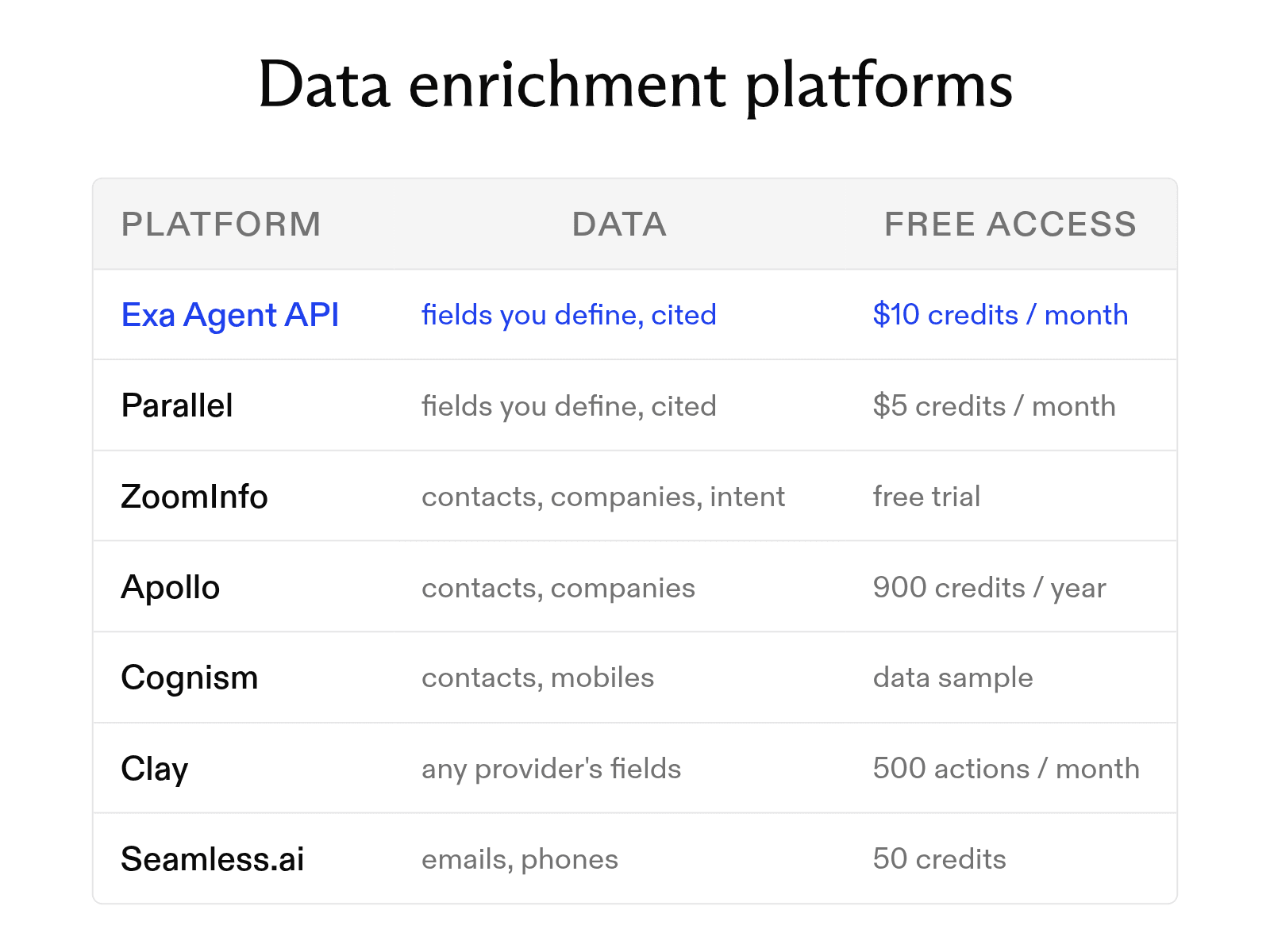

A data enrichment platform appends the fields you're missing, such as firmographics, contact details, and intent signals, to the company and person records you already hold. Sales teams use it to fill in job titles on new leads and personalize outreach. Product teams use it to add company size to a signup without lengthening the form, then route the signup.
At Exa, we build the Agent API, which researches each record on the live web and fills the fields you define.
We compare our Agent API with eleven alternatives in four groups, then match platforms to outbound sales, RevOps, and data engineering teams. Developers choosing a single endpoint can read The 8 best enrichment APIs in 2026.
Data enrichment platform comparison
Coverage figures come from the vendors and include search index size, database size, and provider count.
| Tool | Data | Published match or coverage claim | Pricing model | Free access | Buyer |
|---|---|---|---|---|---|
| Exa Agent API | Fields you define, cited | 1B+ people profiles and 70M+ companies in Exa's search index | Fixed or metered runs, plus successful contact lookups | $10 in credits a month | Product and data engineers |
| Parallel | Fields you define, cited | None published | Per request | $5 in credits a month | Developers |
| ZoomInfo | Contacts, companies, intent | 500M+ profiles | Licenses plus credits | Free trial | Enterprise sales |
| Apollo | Contacts, companies | 240M contacts | Seats, credits included | Free plan, 900 credits a seat a year | SMB sales |
| HubSpot data enrichment | Contacts, companies | 380M emails | Included in paid HubSpot plans | None | HubSpot users |
| Cognism | Contacts, mobiles | 15 DNC lists checked | Seats plus shared credits | Data sample | Teams selling into Europe |
| Seamless.ai | Emails, phones | 1.8B+ emails | Seats, credits included | Free plan, 50 credits | SMB sales |
| Clay | Any provider's fields | 200+ providers | Actions plus data credits | Free plan, 500 actions a month | RevOps |
| Gumloop | Agent-built fields | None published | Credits | 14-day free trial | Ops teams |
| Common Room | Contacts, signals | 400M+ contacts | Annual platform fee | None | Revenue teams |
| Alation | Lineage, catalog | Not applicable | Custom quote | None | Data teams |
| Informatica | Data quality | Not applicable | IPU consumption | Free cloud data integration | Data teams |
Research agents for enrichment
A research agent reads the live web for each record and fills the fields you define in a schema, including fields no vendor sells.
1. Exa Agent API
Exa Agent API takes a plain-language task and an optional JSON schema and returns schema-validated JSON in output.structured, with field-level grounding in output.grounding citing each field. Our Agent API also builds lists of companies or people from open-ended criteria and runs multi-step tasks, such as finding companies and then their decision-makers.
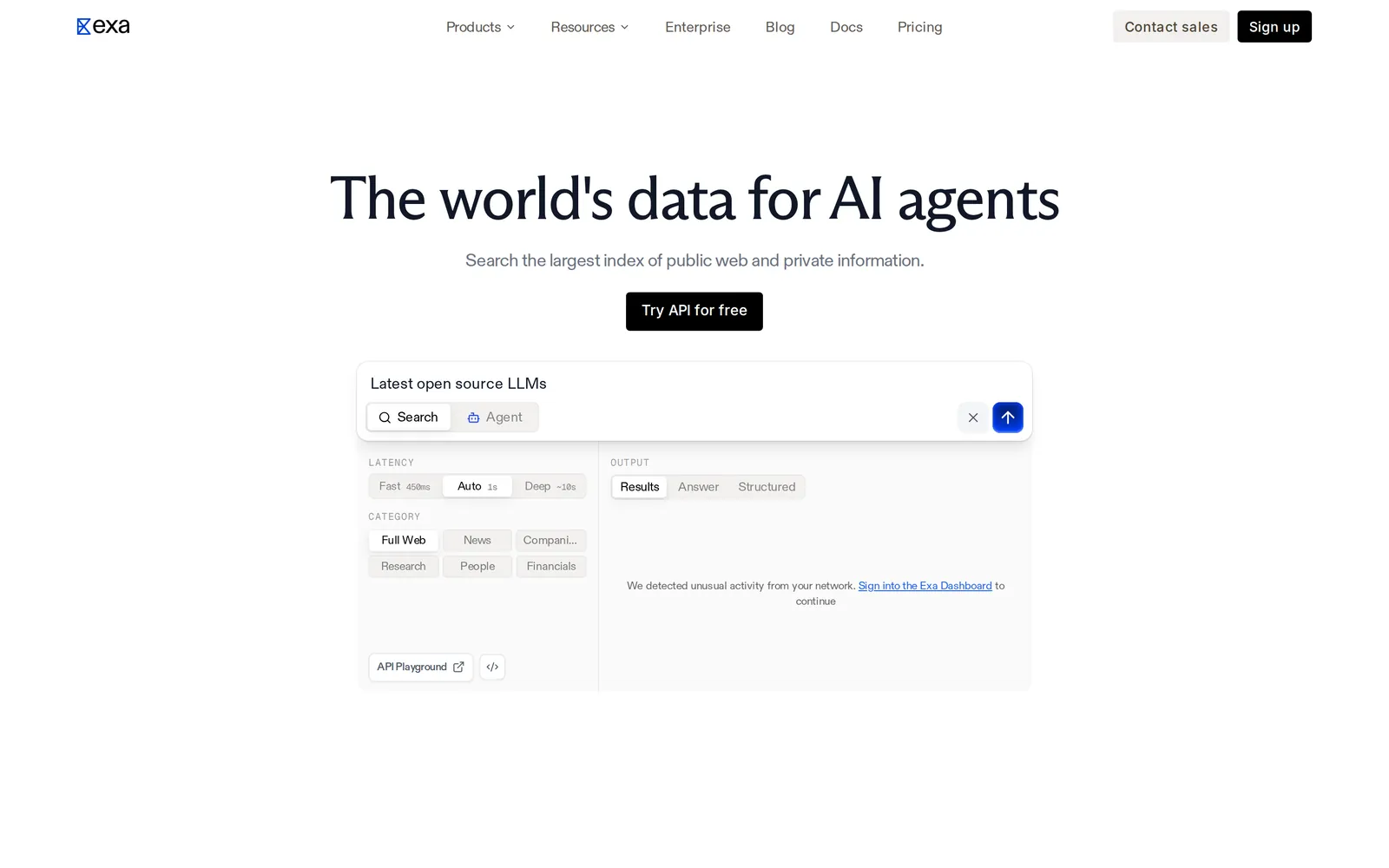
To enrich rows you already hold, pass them in input.data. Fixed-effort runs cost $0.012 to $1.00 per request. The default auto mode and ultra are billed by usage. When a contact enrichment lookup finds an email address or phone number, Exa charges $0.02 per email or $0.07 per phone number on top of the run cost.
2. Parallel
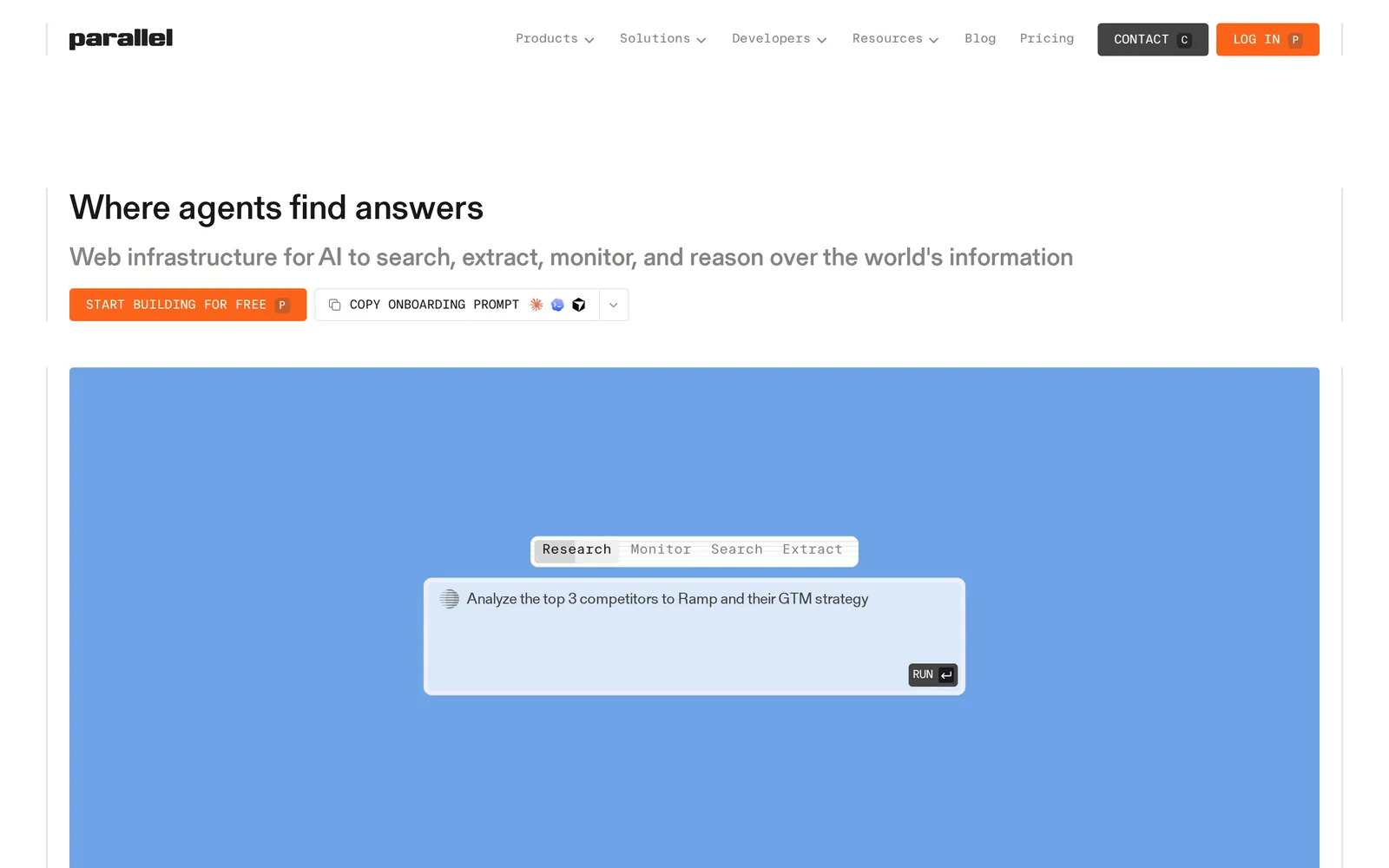
Parallel, a web research API company, sells a Task API that researches each record against input and output schemas and returns citations, reasoning, and, on Core processors and above, confidence levels. Prices run from $5 per 1,000 requests on Lite to $2,400 per 1,000 on Ultra8x.
A team dialing thousands of mobile numbers a week still needs a phone-verified database such as Cognism.
B2B contact and company databases
These five vendors sell pre-built databases of companies and people, and differ in coverage, refresh cadence, and whether they charge by seat or by credit.
3. ZoomInfo
ZoomInfo's sales database holds more than 500 million professional profiles, more than 100 million company records, and intent signals on more than 4,500 topics. It refreshes technographic data on a 60-day average cycle and streams record updates to connected CRMs and data warehouses. Each exported contact or company profile costs one credit, and ZoomInfo doesn't publish plan prices. Its GTM Workspace includes an AI agent layer, formerly ZoomInfo Copilot, that writes account summaries.
4. Apollo
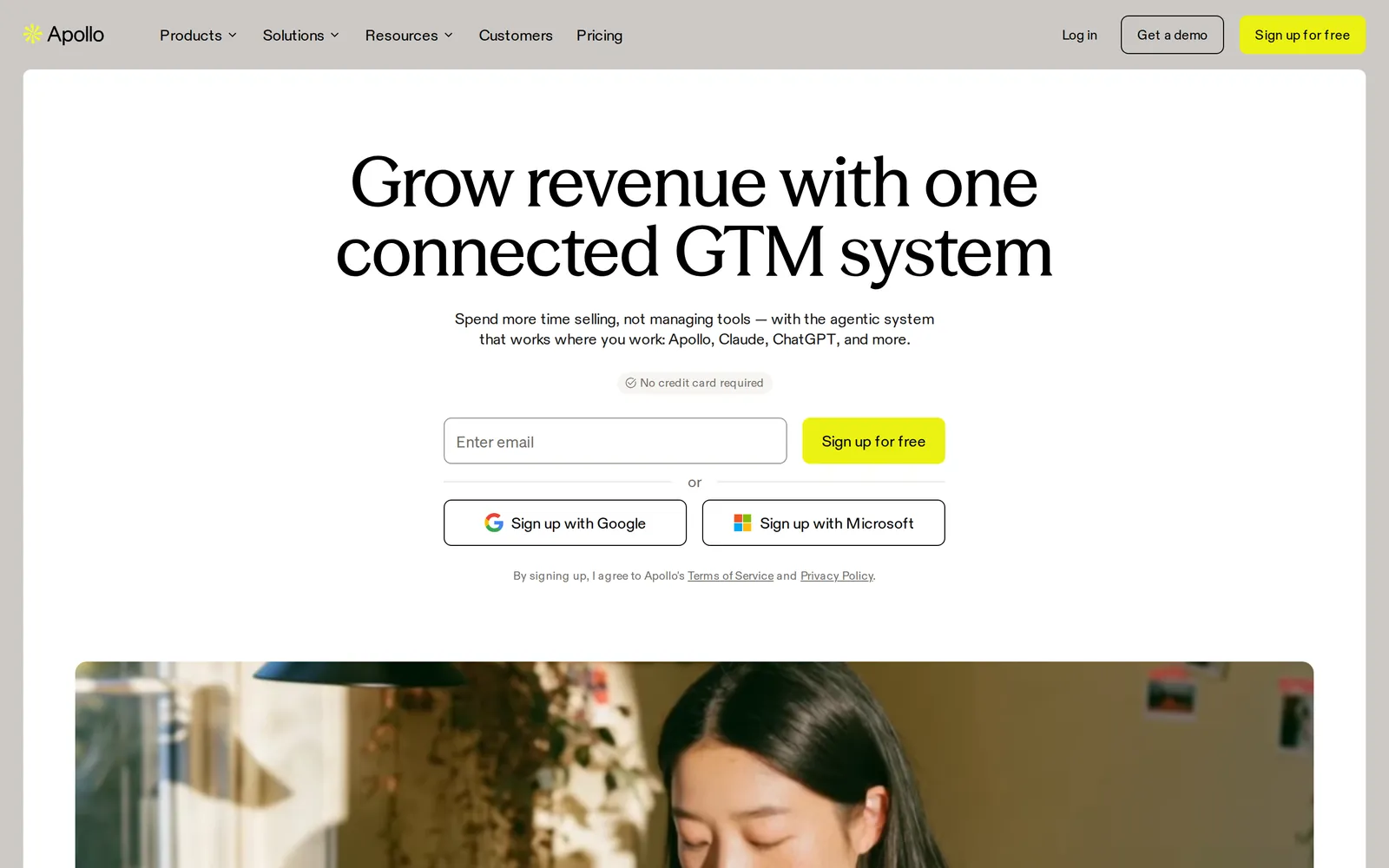
Apollo is a sales platform with 240 million contacts and 30 million companies, plus email sequences and a dialer. Basic costs $49 per seat per month billed annually, with 30,000 credits per seat per year. Apollo doesn't state a refresh cadence on its pricing page.
5. HubSpot data enrichment
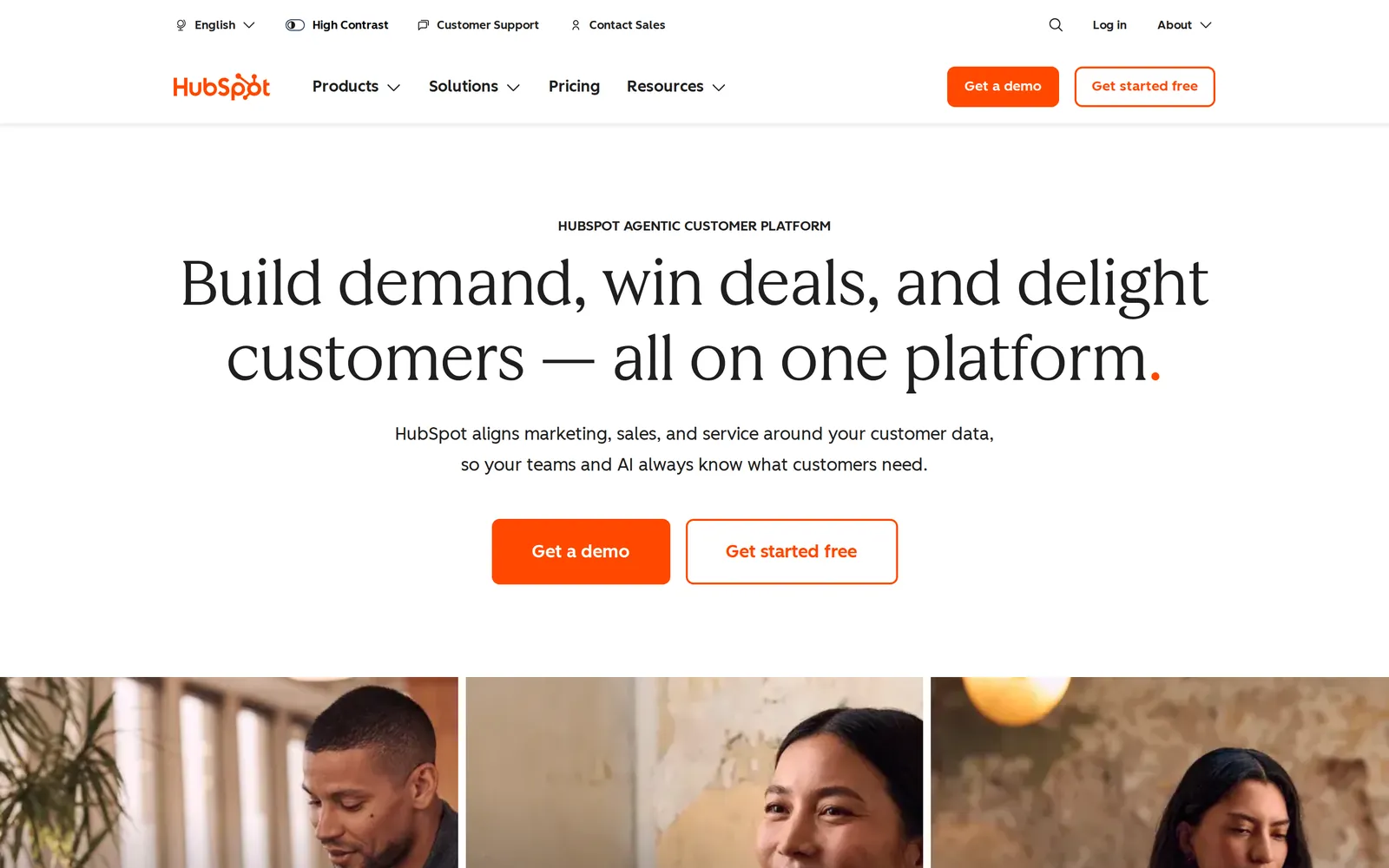
HubSpot enriches contact and company records directly in its Smart CRM. It built the feature after acquiring Clearbit and first launched it under the Breeze Intelligence name. HubSpot indexes more than 100 million company domains and 380 million email addresses, and says an internal analysis found its international coverage matched its US coverage. Continuous enrichment keeps enriched records current. Enrichment comes with paid Starter, Professional, and Enterprise plans and doesn't consume HubSpot Credits.
6. Cognism
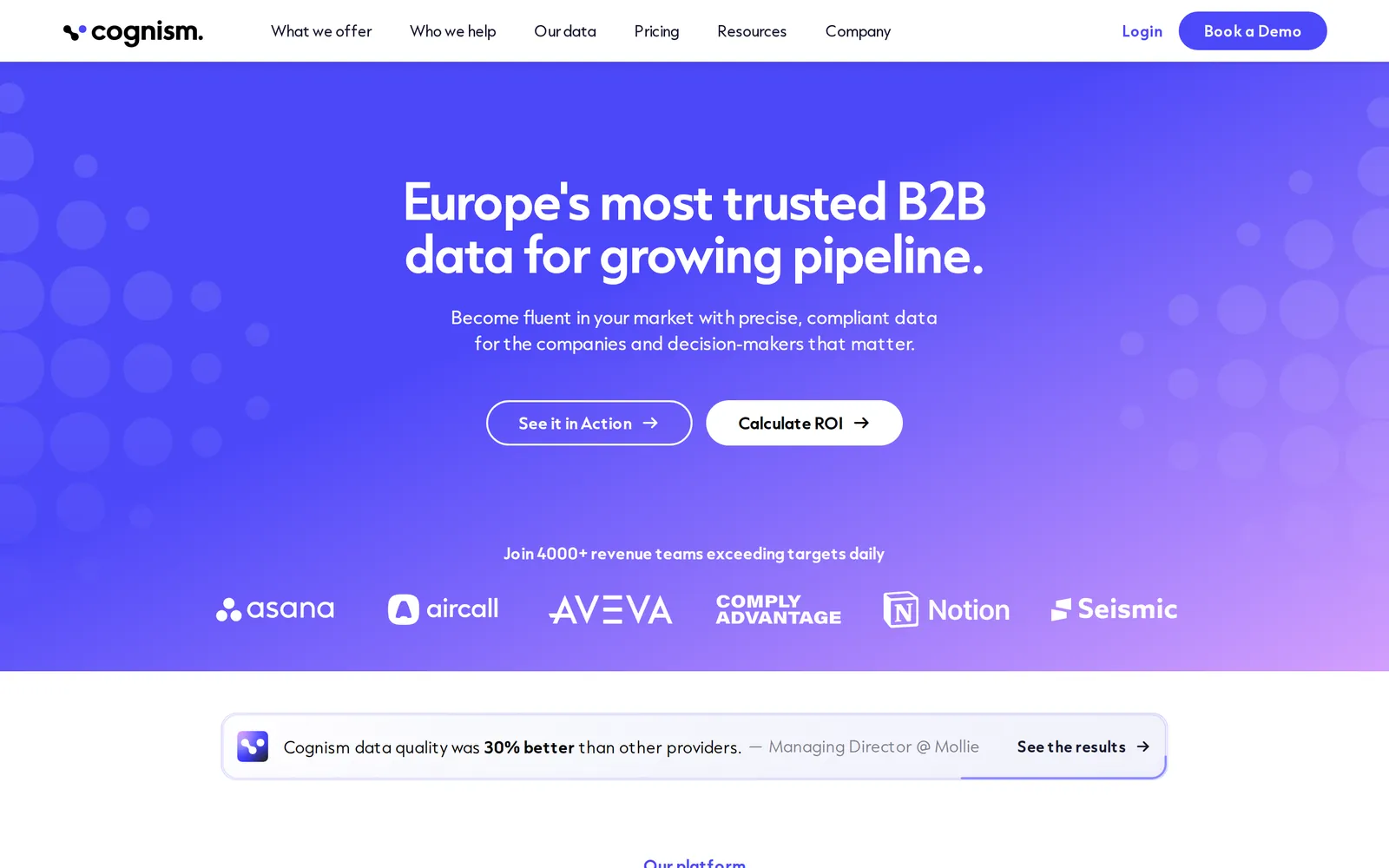
Cognism focuses on European B2B data and sells phone-verified mobile numbers, checked against 15 do-not-call lists, including registries in the US, UK, France, and Germany. Standard and Pro include five seats and a shared credit pool. One credit reveals one contact, and viewing it again is free. In CRM Enrichment, a record uses another credit only when key details change, such as a job move. Cognism doesn't publish prices.
7. Seamless.ai
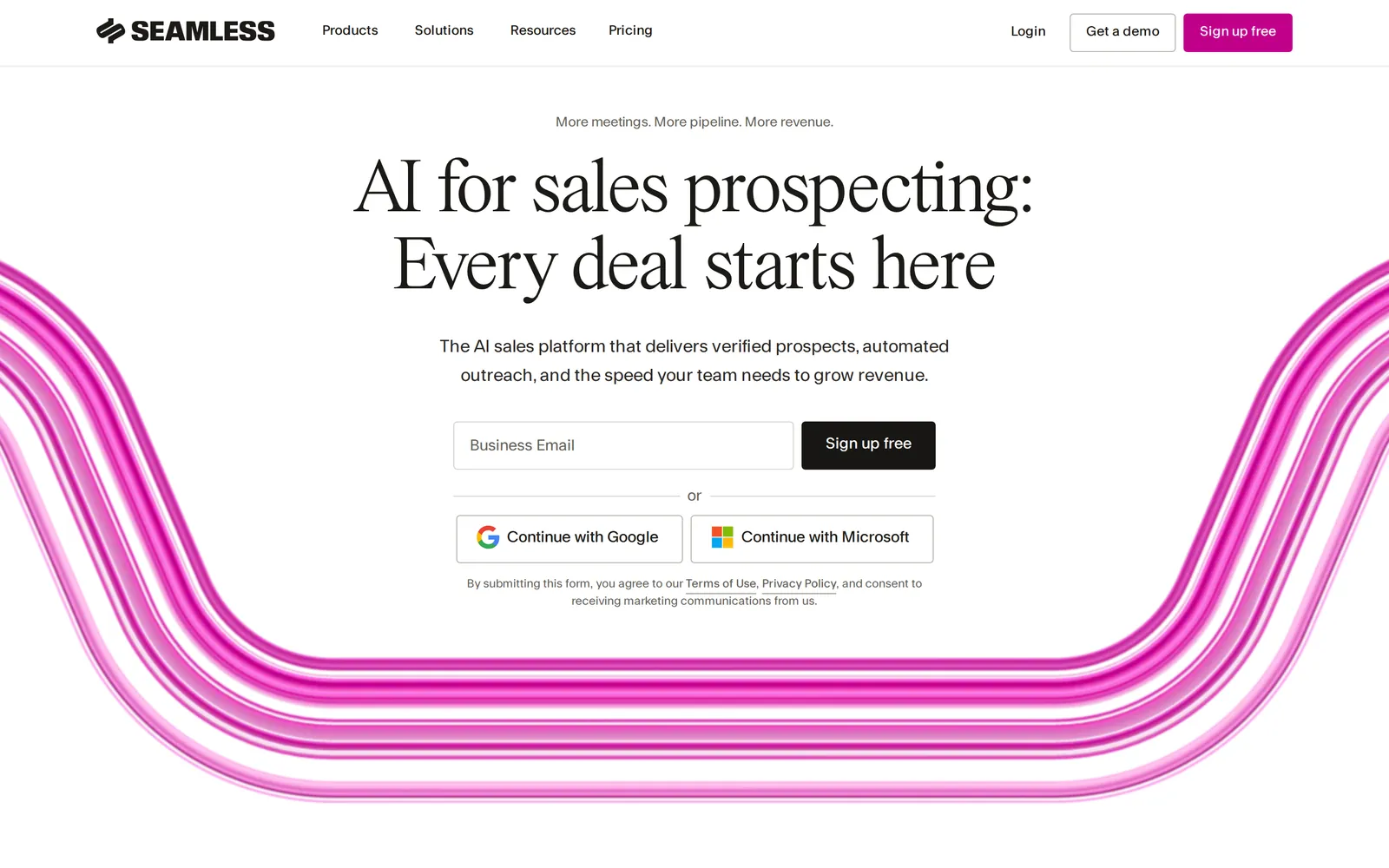
Seamless.ai searches the public web in real time on each contact lookup. It reports more than 1.8 billion verified business emails and 414 million phone numbers, and refunds the credit automatically when an email is invalid. The Free plan gives one user 50 credits; Pro includes 10,000 credits per user a month.
Waterfall workflow and agent platforms
Waterfall enrichment sends a record through data providers in sequence and stops at the first one that returns a valid value.
8. Clay
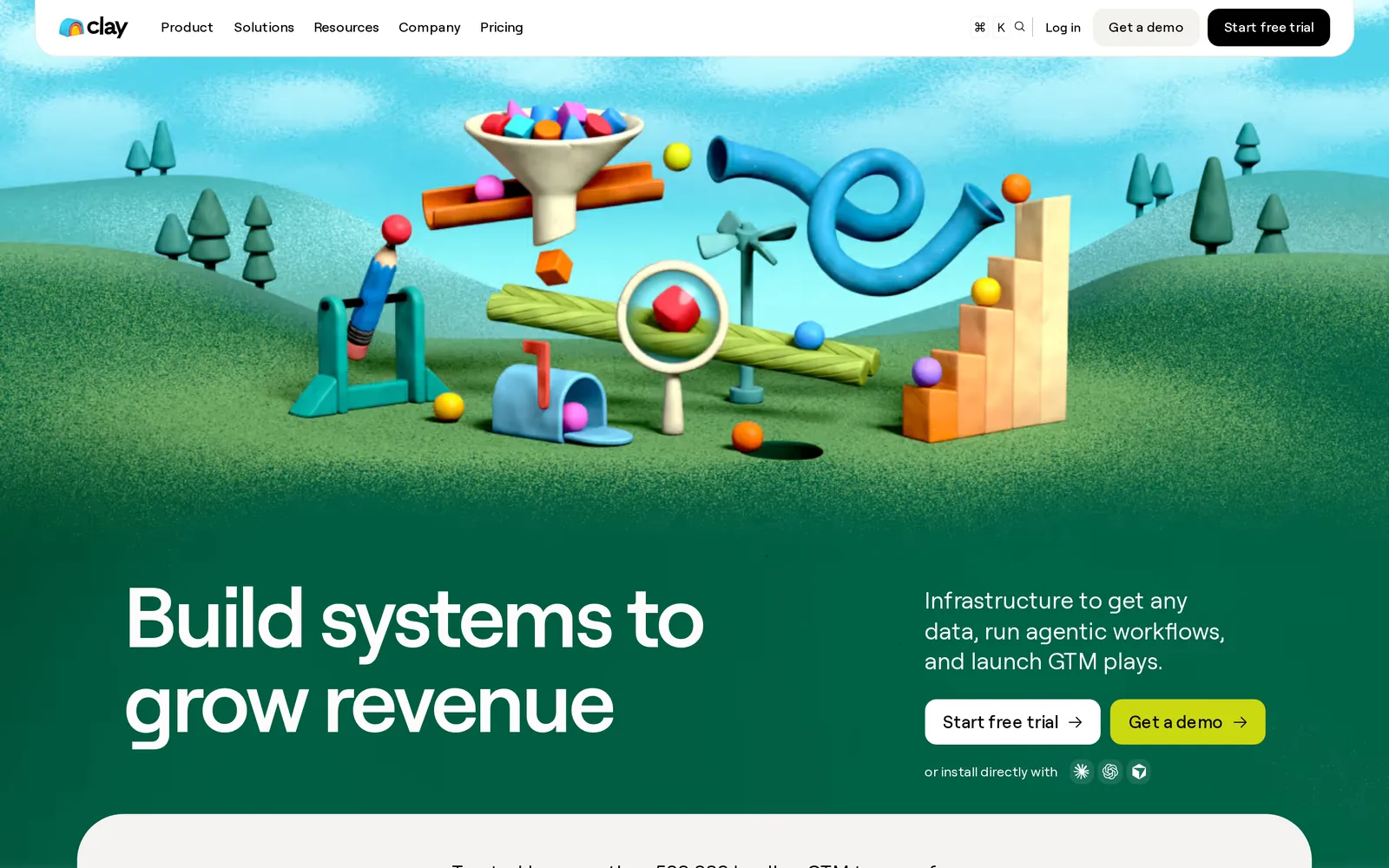
Clay runs enrichment in a spreadsheet-style table connected to more than 200 data providers. Any column can run a waterfall, and Claygent, Clay's web-research AI agent, generates custom data points no provider has. The Free plan includes 500 actions and 100 data credits a month; Launch starts at $167 a month, billed annually.
Clay users on Launch and above can find companies with Exa Search using their own Exa account.
9. Gumloop
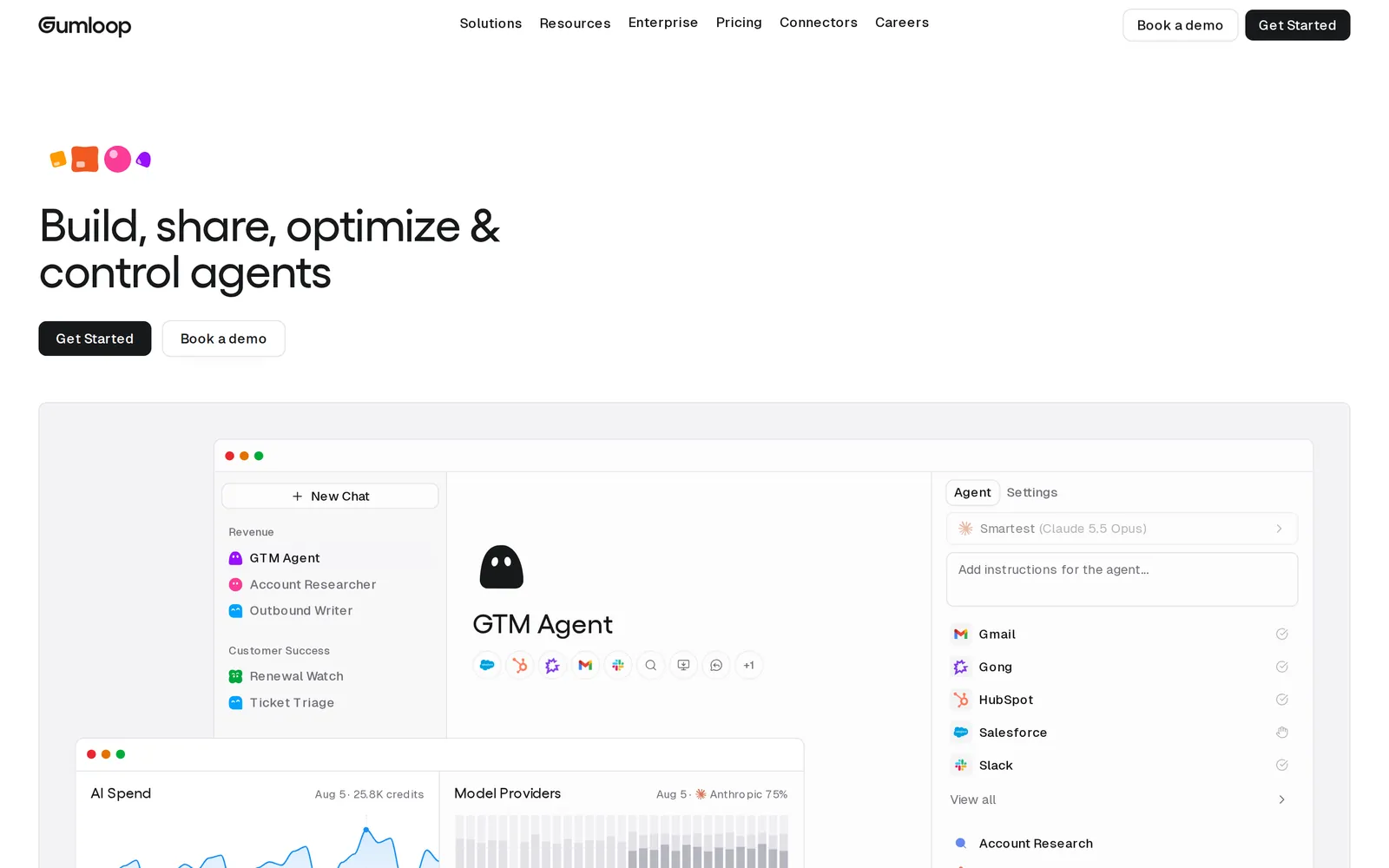
Gumloop builds AI agents that connect to Salesforce, HubSpot, Apollo, and more than 100 Model Context Protocol (MCP) servers. An agent can bulk-enrich a contact list pasted into Slack, and Gumloop says each enriched value carries its source, such as a URL or an Apollo ID. Pro starts at $37 a month with 20,000 credits and a 14-day free trial.
10. Common Room
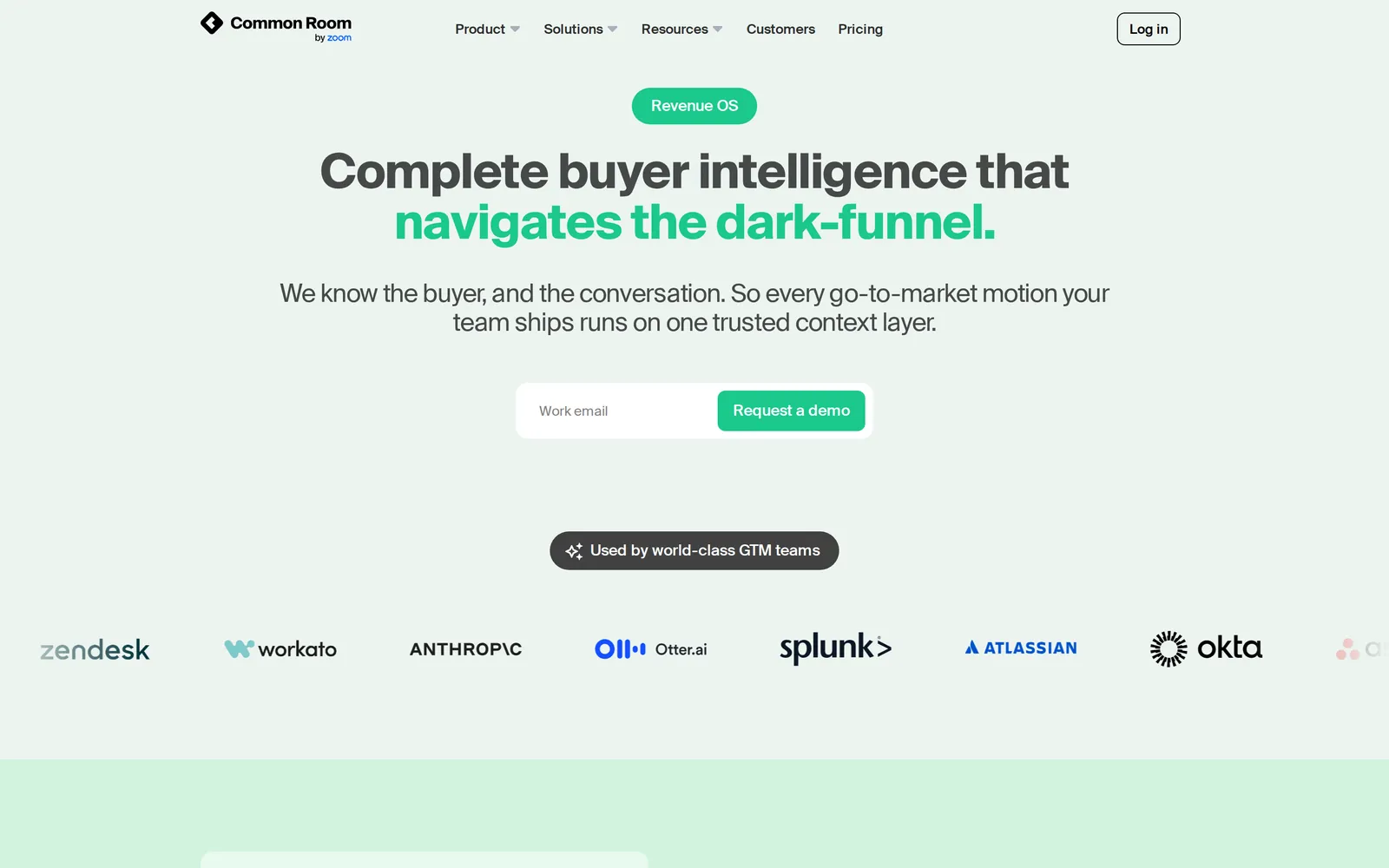
Common Room, which Zoom acquired in July 2026, combines enrichment with buyer signals from CRM, product, marketing, and community activity. Person360, its identity resolution feature, ties each signal to a named person, and its AI waterfall draws on a directory of more than 400 million contacts. DataAgent flags duplicates, stale records, and gaps. Essential costs $2,500 a month billed annually, with five seats and up to 100,000 contacts.
Tools that govern enriched data rather than supply it
Data teams buy these two tools to keep enriched records accurate and traceable once they land in the warehouse. Neither sells contact records.
11. Alation
Alation sells its data catalog as the Alation Intelligence Operating System (AIOS). Alation Data Lineage maps how data moves between systems. Alation sells through its sales team and doesn't publish prices.

12. Informatica
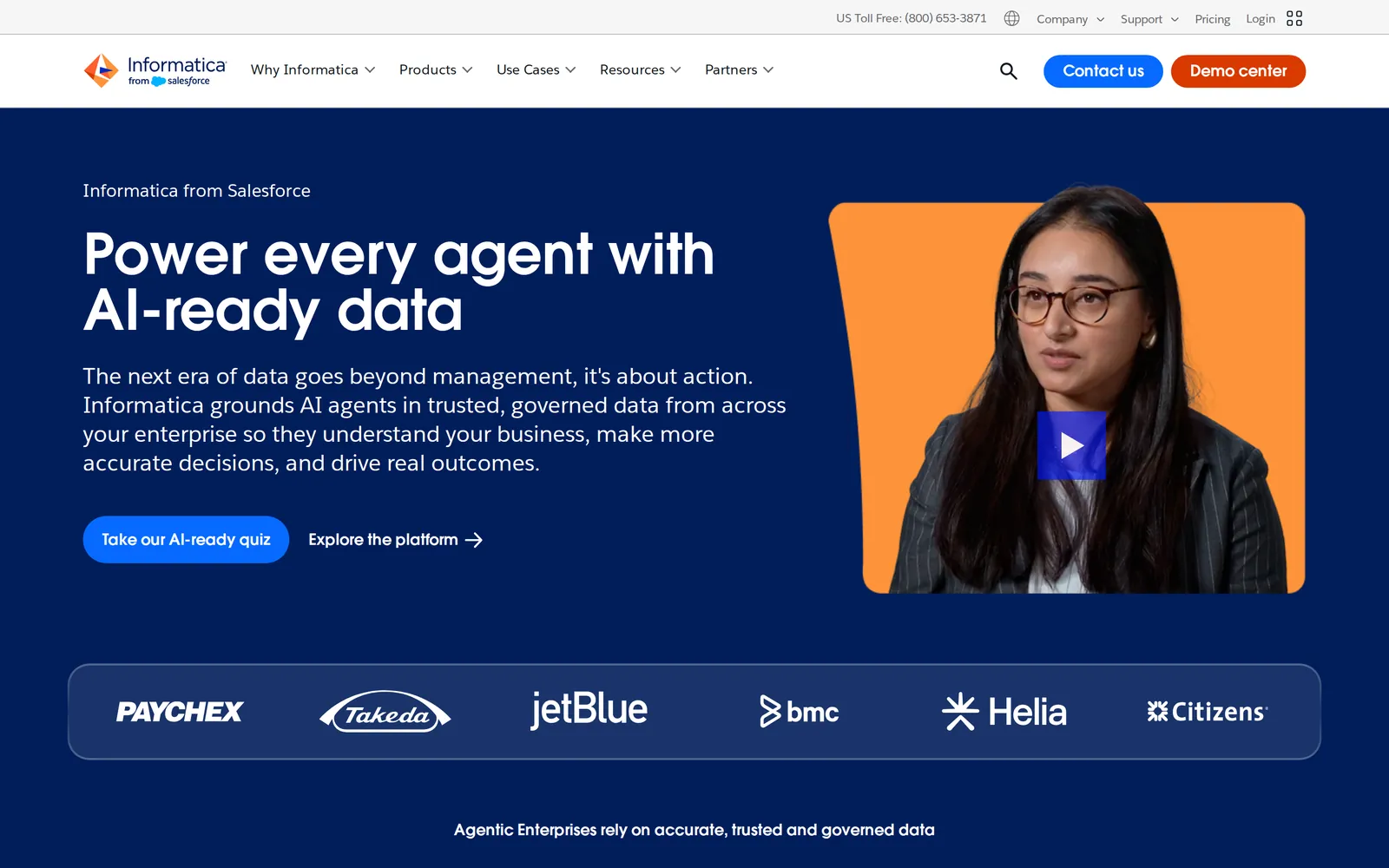
Informatica, which Salesforce acquired in November 2025, runs data quality inside its Intelligent Data Management Cloud (IDMC). Informatica runs Data Quality Agents that cleanse, standardize, and validate records. Customers buy Informatica Processing Units (IPUs) to spend across eligible cloud services. An enrichment feed entering IDMC passes the same quality rules as every other source in the warehouse.
How to choose a data enrichment platform
Start from the team using the data; each needs different fields and buys them differently.
Outbound sales. Outbound teams need verified emails and mobile numbers for daily outreach. Coverage varies by target region, so test each vendor on a sample of your own accounts. Cognism fits teams selling into Europe; Apollo, small teams on a budget; ZoomInfo, enterprise teams that want intent signals alongside contacts; Seamless.ai, small teams that want per-credit email and phone lookups.
RevOps. A Revenue Operations (RevOps) team keeps the CRM complete, routes leads on enriched fields, and needs several providers in one workflow, with a record of which provider filled each field. Clay runs waterfalls across its providers; Apollo runs them within one account on paid plans. HubSpot data enrichment fits teams whose CRM is HubSpot. The Exa Agent API fills custom fields standard providers don't offer, such as a pricing model or a recent partnership; the Exa Agent API quickstart shows how to add that research step.
Data and product engineering. A data engineering team adds enrichment to a product or warehouse, runs the pipeline, and needs an API, a controlled schema, and a source for every value. The Exa Agent API and Parallel both return cited company and people fields from a schema. Informatica applies quality rules to the enriched data, and Alation maps how it moves between systems.
FAQ
What match rate should I expect from a data enrichment platform?
Test it yourself: most vendors publish database sizes, and few publish match rates. Send 500 of your own records to two or three vendors and count the fields each fills correctly. ZoomInfo's free trial and Cognism's data sample both work for this.
Does data enrichment comply with GDPR?
It can, but whoever holds the enriched data needs a lawful basis, such as legitimate interest, for each use. ZoomInfo notifies the people in its data, as GDPR Articles 13 and 14 require, and handles opt-out and deletion requests through a self-service privacy center. We offer zero data retention on our Enterprise plan.
Cheers,
Keep learning
Browse all Learn articles →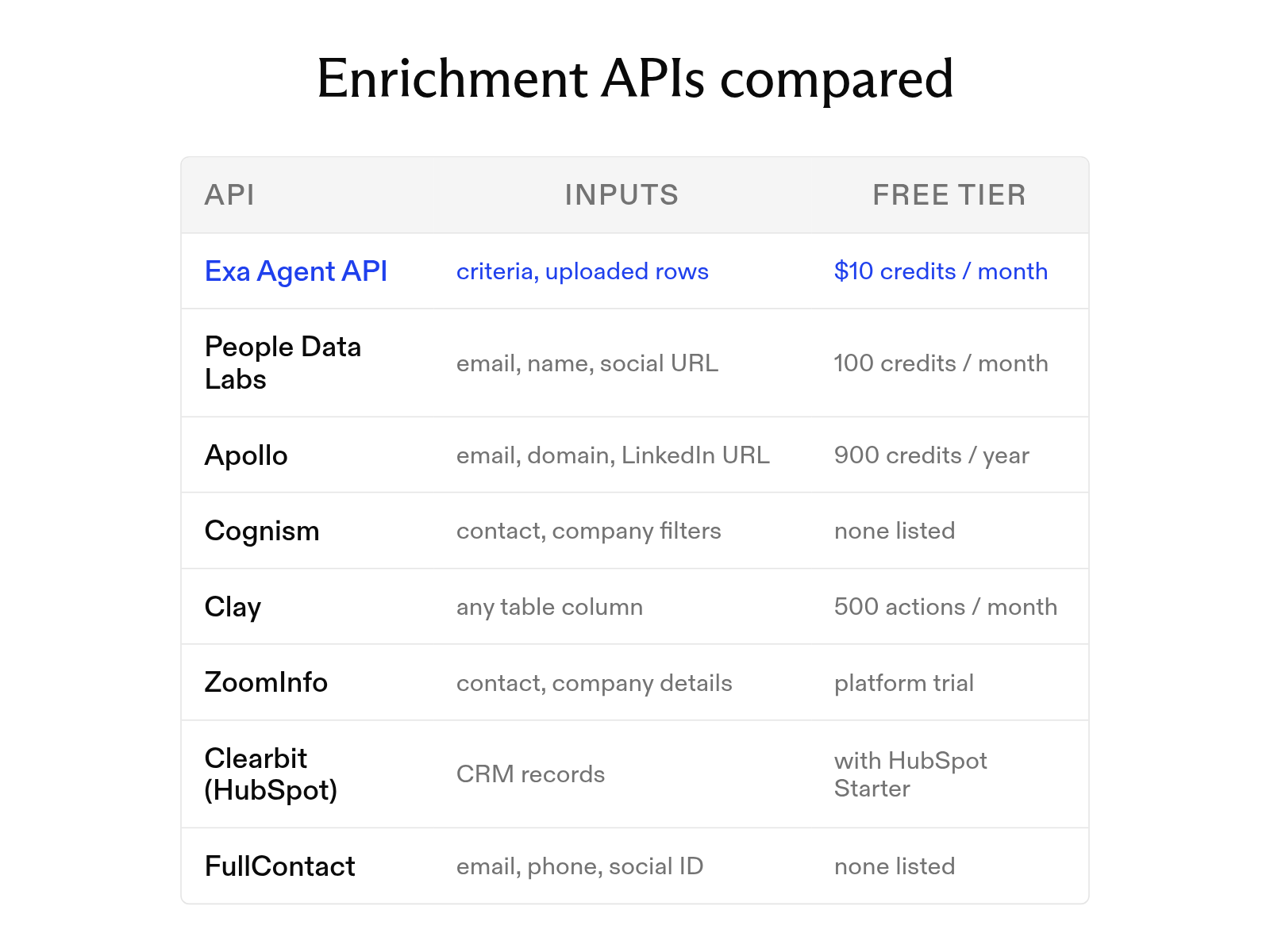
The 8 best enrichment APIs in 2026
October 19, 2026
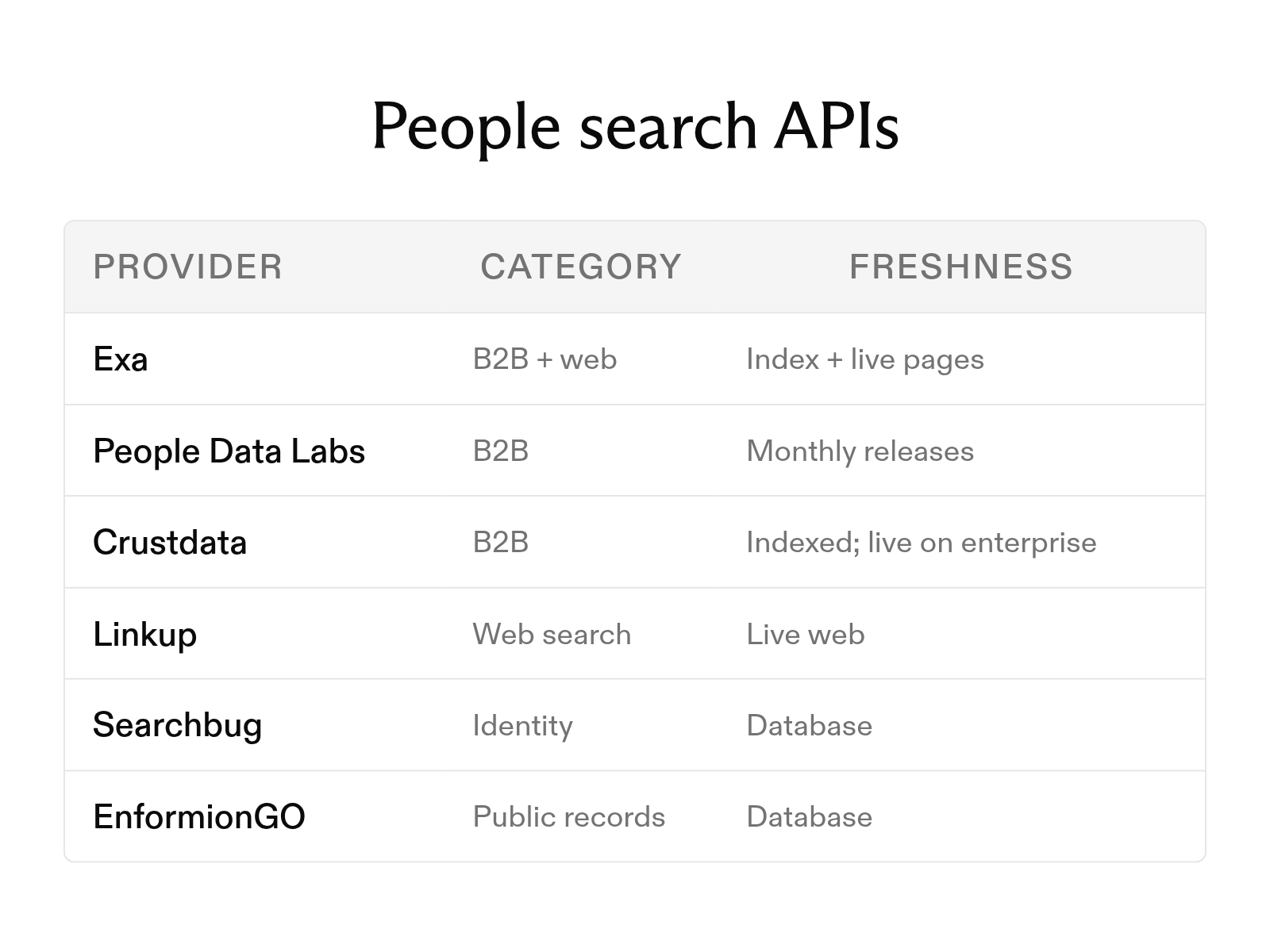
The 6 best people search APIs in 2026
October 6, 2026
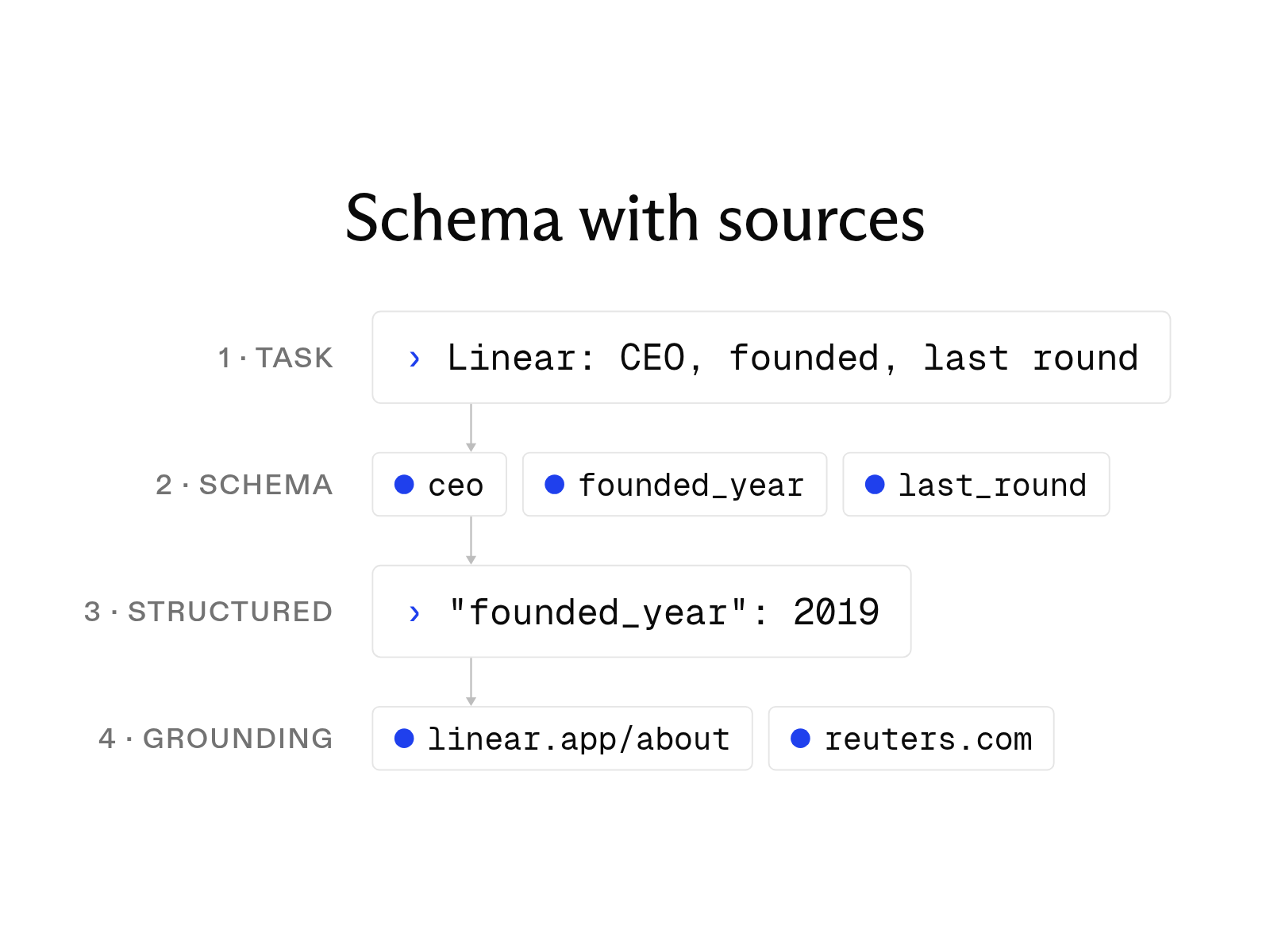
How to get structured outputs from a search API
November 24, 2026
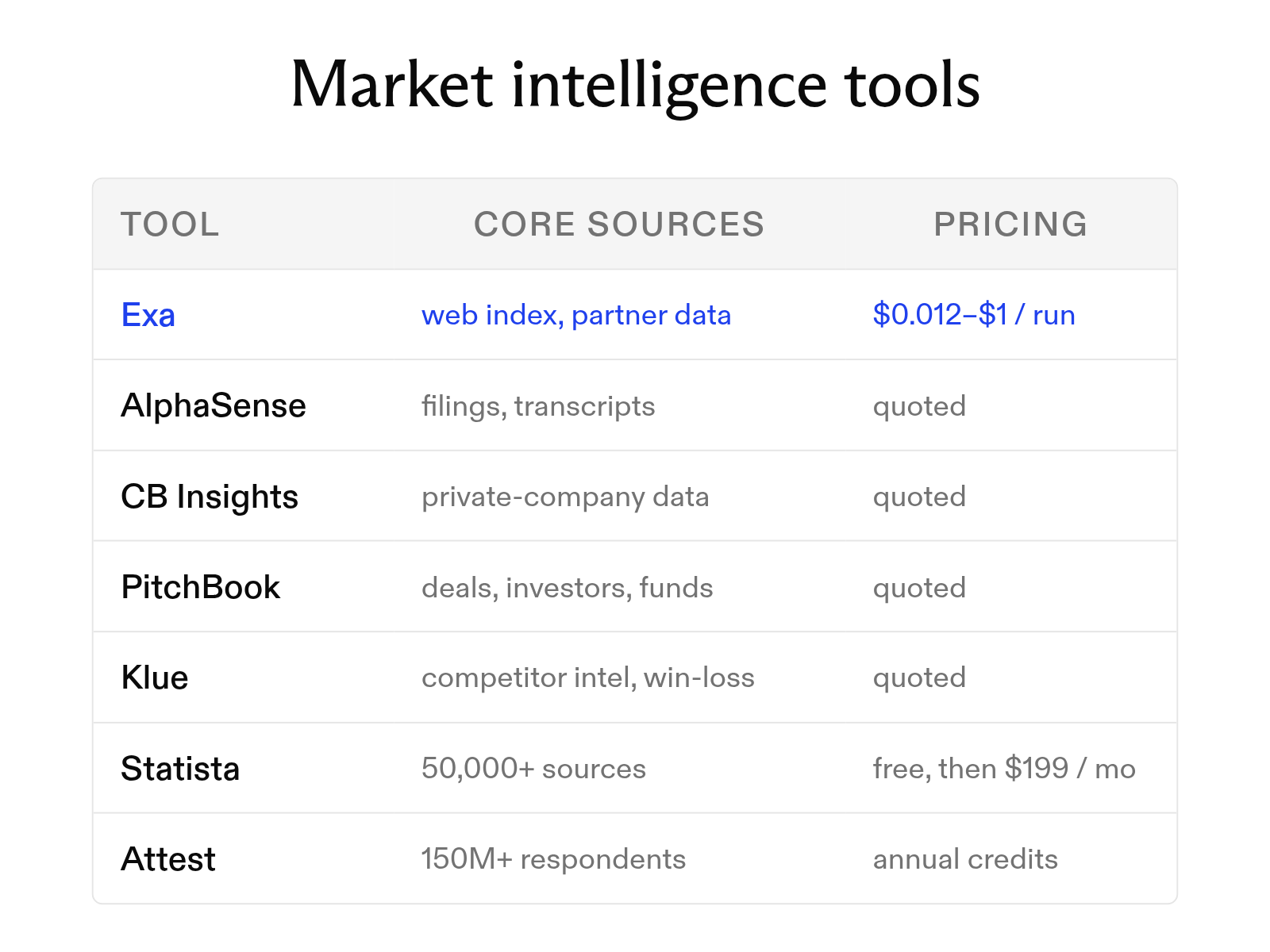
The 12 best market and competitive intelligence tools in 2026
November 24, 2026
What is a deep research API, and how do you build with one?
October 20, 2026
The 12 best competitor analysis tools in 2026
November 24, 2026