The 12 best search engines for research papers in 2026, by field
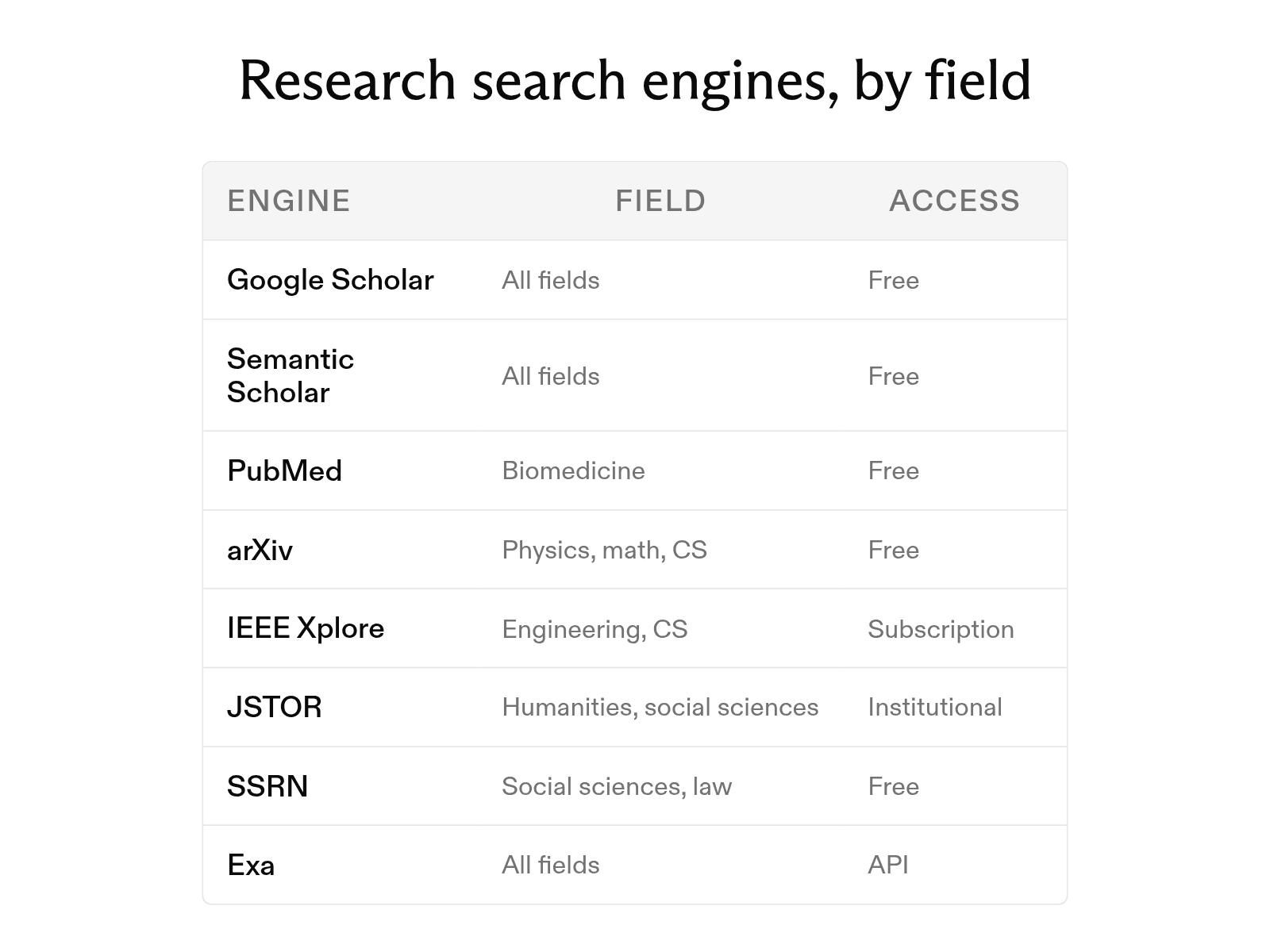

Today researchers have a fantastic list of options when it comes to searching for research papers: traditional search engines like Google Scholar, field specific search engines like PubMed and arXiv, and API-based options like our own offering here at Exa.
Making it easy to search for research papers has been a core focus of ours – Exa’s own index includes over 350M research papers that you can search via API – so we’re excited to offer this guide that covers the available options.
Below, we cover the best general and multidisciplinary search engines, field-specific databases, and recommendations by field. The last section shows how to build your own research search with Exa.
General and multidisciplinary search engines
-
Exa searches a dedicated index of about 350 million publications, including papers, preprints, patents, and clinical trials. You describe a finding or method in plain language, and it returns matching papers with the passages that support your query, plus authors and citation counts. It runs as an API, so it suits researchers and teams who build their own tools. Every account gets $10 in free credits a month.
-
Google Scholar searches articles, theses, books, abstracts, and court opinions from publishers, universities, and repositories. Its Cite button exports citations in BibTeX, EndNote, RefMan, and RefWorks formats. A "Cited by" link lists papers that cite each result. You can also set email alerts for new results and new citations. Google does not publish the size of the index.
-
BASE is the Bielefeld Academic Search Engine. Germany's Bielefeld University Library operates it. The index contains more than 400 million records from over 12,000 repositories and journals. Its repository search can also find free copies of papers held by universities.
-
Semantic Scholar is a free search engine from the nonprofit Ai2 that indexes more than 200 million papers. Its TLDR feature summarizes nearly 60 million papers in one sentence each. The Cite button formats references in BibTeX, MLA, APA, or Chicago.
-
CORE is a nonprofit aggregator of open-access research. It provides free access to 452 million articles from 16,000 data providers. CORE describes this collection as the world's largest source of full-text open-access papers.
-
Dimensions comes from Digital Science. It links publications to grants, datasets, patents, clinical trials, and policy documents. The free version includes publications and citations for personal, noncommercial use. Institutions pay for the full product. Its website lists more than 160 million publications.
Start with a broad search in Google Scholar or Semantic Scholar. Then use CORE or BASE to find a free full-text copy, or use Dimensions to trace the funding and data behind a paper.
Field-specific databases
-
PubMed is a free database from the National Library of Medicine at the NIH. It holds more than 40 million citations and abstracts in biomedicine, health, and the life sciences. It also links to full text when another source makes it available. Its Cite button supports AMA, MLA, APA, and NLM styles.
-
IEEE Xplore covers electrical engineering, computer science, and related fields. The collection has more than 7 million documents, including over 5 million conference papers and 15,000 technical standards. Access comes through an institutional subscription, an IEEE member subscription, or a single-document purchase.
-
JSTOR is a nonprofit digital library of more than 2,800 academic journals and 158,000 e-books. The collection covers the humanities, social sciences, and natural sciences. Most readers access it through a library. As of September 1, 2026, registered users can read 10 articles for free every 30 days.
-
arXiv is a free, open-access archive of preprints in physics, mathematics, computer science, quantitative biology, quantitative finance, statistics, electrical engineering, and economics. It became an independent nonprofit in 2026 after decades at Cornell. arXiv does not peer-review papers. Each abstract page can export a BibTeX citation.
-
SSRN is Elsevier's open preprint platform for early-stage research across 65 disciplines. Researchers in law and management are among its main contributors. The platform offers nearly 2 million full-text papers for free. SSRN will close several commercial services by the end of 2026 while keeping the free preprint platform.
-
ERIC is the education research database from the Institute of Education Sciences at the U.S. Department of Education. It requires no subscription and indexes more than 2 million items published since 1966. Its collection includes over 500,000 full-text documents.
Recommendations by field
Each discipline has a strong starting point and a broader option for filling coverage gaps.
-
Medicine and health. Start in PubMed for clinical and biomedical studies. Add Google Scholar for conference papers and reports that fall outside PubMed's journal coverage.
-
Computer science. Use arXiv for the newest preprints, IEEE Xplore for published conference papers and standards, and Semantic Scholar to trace citations across both. Use Exa to find a paper by describing its method when you do not know the title.
-
Humanities. JSTOR holds extensive archives of humanities journals, e-books, and primary sources. For broader coverage, Google Scholar and BASE can help researchers find theses and repository copies.
-
Social sciences. Search SSRN for working papers in economics, law, and management, and ERIC for education research. For added context, Dimensions shows the grants and policy documents linked to a study.
-
History. JSTOR includes primary sources and millions of images alongside its journals. Google Scholar's citation links help you trace a debate across decades.
Research search engine comparison
| Tool | Discipline | Access cost | Citation tools |
|---|---|---|---|
| Exa | All fields | $10 free credits a month, then $7 per 1,000 searches | Authors, venue, and citation counts in results |
| Google Scholar | All fields | Free | BibTeX, EndNote, RefMan, RefWorks; Cited by |
| BASE | All fields | Free | Not stated |
| Semantic Scholar | All fields | Free | BibTeX, MLA, APA, Chicago; alerts |
| CORE | All fields, open access | Free | API and datasets |
| Dimensions | All fields | Free personal version; paid institutional | Data export |
| PubMed | Biomedicine | Free | AMA, MLA, APA, NLM; alerts |
| IEEE Xplore | Engineering, computer science | Subscription or purchase | Email alerts |
| JSTOR | Humanities, social sciences | Institutional; 10 free articles every 30 days | Citation data |
| arXiv | Physics, math, CS, and more | Free | BibTeX export |
| SSRN | Social sciences, law, economics, and more | Free | Citation and download counts |
| ERIC | Education | Free | API |
Searching papers programmatically
If you are building a research tool, you need an API that searches papers by meaning and returns results you can cite. Most academic search engines work best with exact keywords and subject-specific terms. Google Scholar requires automated tools to follow its robots.txt rules, which makes scraping an unreliable foundation for a product.
Exa's Search API has a publication category that searches papers, preprints, patents, grants, and clinical trials. In July 2026, Exa launched a dedicated index of roughly 350 million publications. Each result provides a URL, author names, the publication venue, and a citation count. You can use these details to credit every source in your output.
from exa_py import Exa

exa = Exa()  # reads EXA_API_KEY

results = exa.search(
    "papers proposing alternatives to attention for long-sequence modeling",
    category="publication",
    num_results=10,
    contents={"highlights": True},
)

for paper in results.results:
    print(paper.title, paper.url)
A query can describe a finding or method. The search can match that description to a paper even when you do not know its title. Highlights show the matching passages, so your tool can display the evidence beside each citation. Together, these features can power a field-specific search tool that returns a relevant passage with each citation.
Combine broad and field-specific searches
Experienced researchers rarely rely on one engine. They run a broad search in Google Scholar or Semantic Scholar to understand a topic's scope and find work from related fields. Then they repeat the search in the database built for their discipline, such as PubMed, IEEE Xplore, or ERIC. Its filters and subject terms can uncover studies that the broad search missed.
FAQ
What is the best free research search engine?
Google Scholar and Semantic Scholar cost nothing to use and cover all fields. For free full text, use CORE or arXiv, or follow PubMed's links to full-text articles.
Is Google Scholar better than PubMed?
It depends on the question. Google Scholar covers more document types and fields, including theses, books, and court opinions. PubMed focuses on biomedicine. Its records and filters support targeted clinical searches. Medical researchers often search both databases and compare the results.
Cheers,
Keep learning
Browse all Learn articles →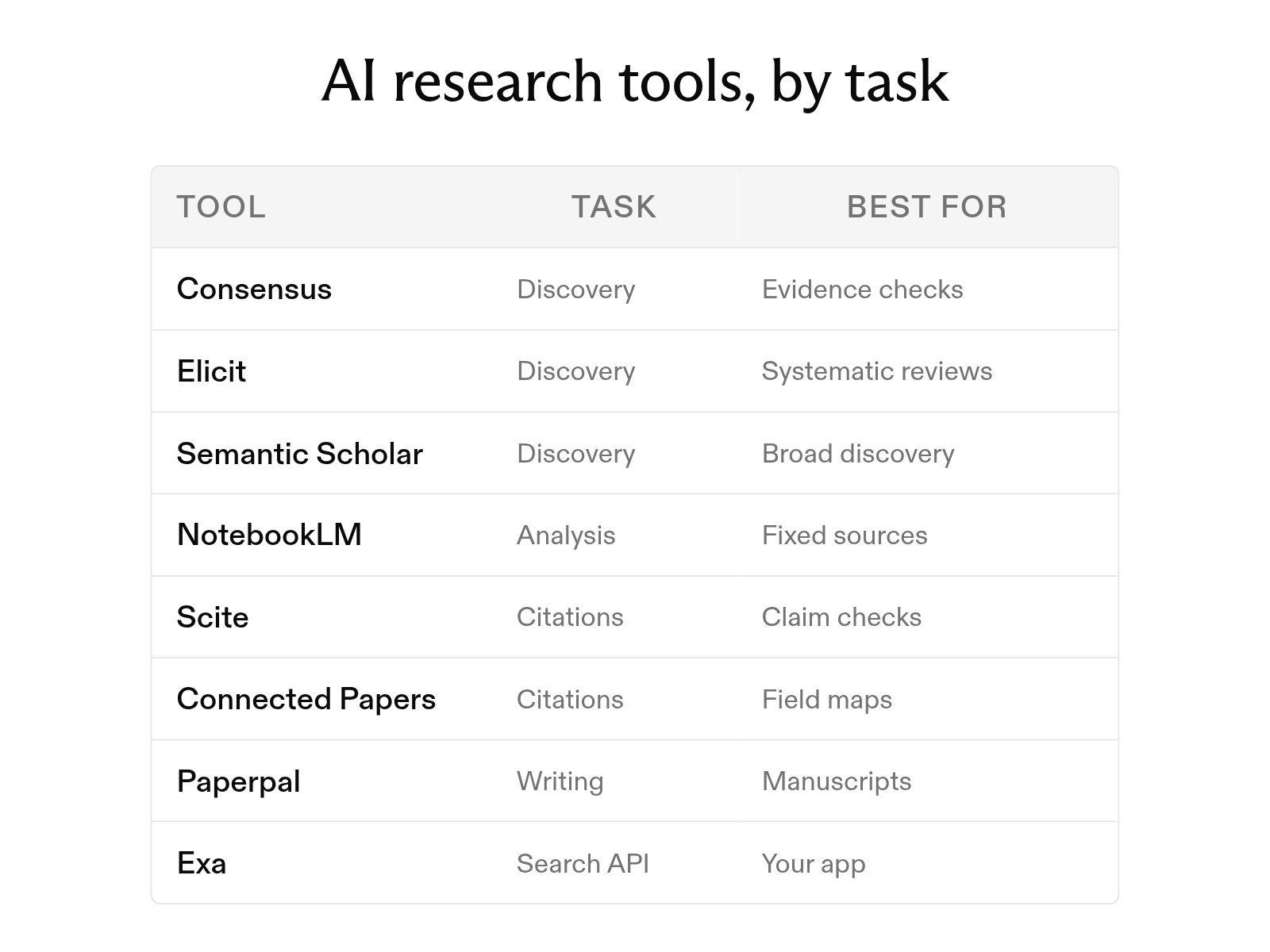
The 12 best AI tools for academic research in 2026
October 6, 2026
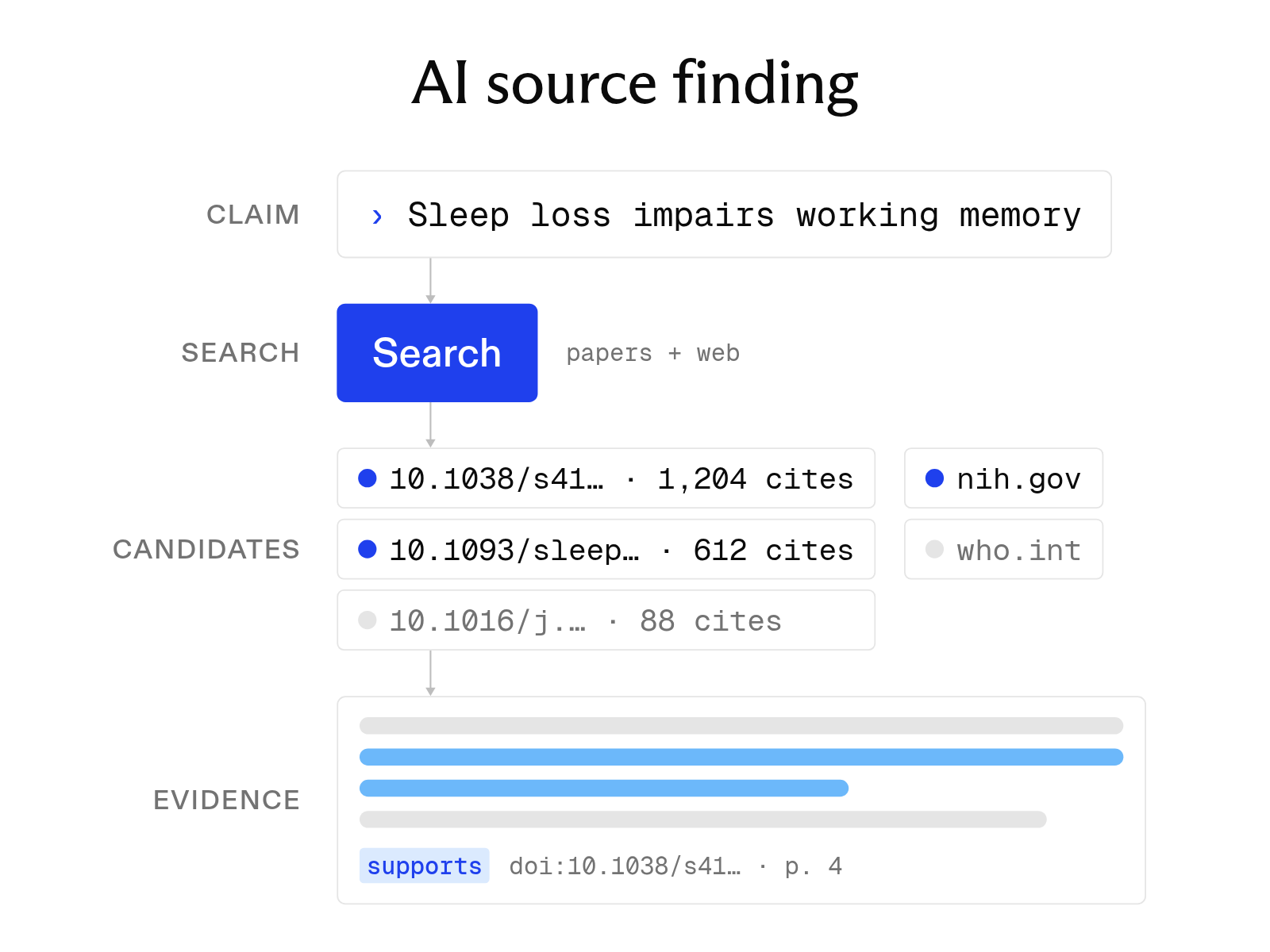
Best AI source finders for academic use, compared
September 30, 2026
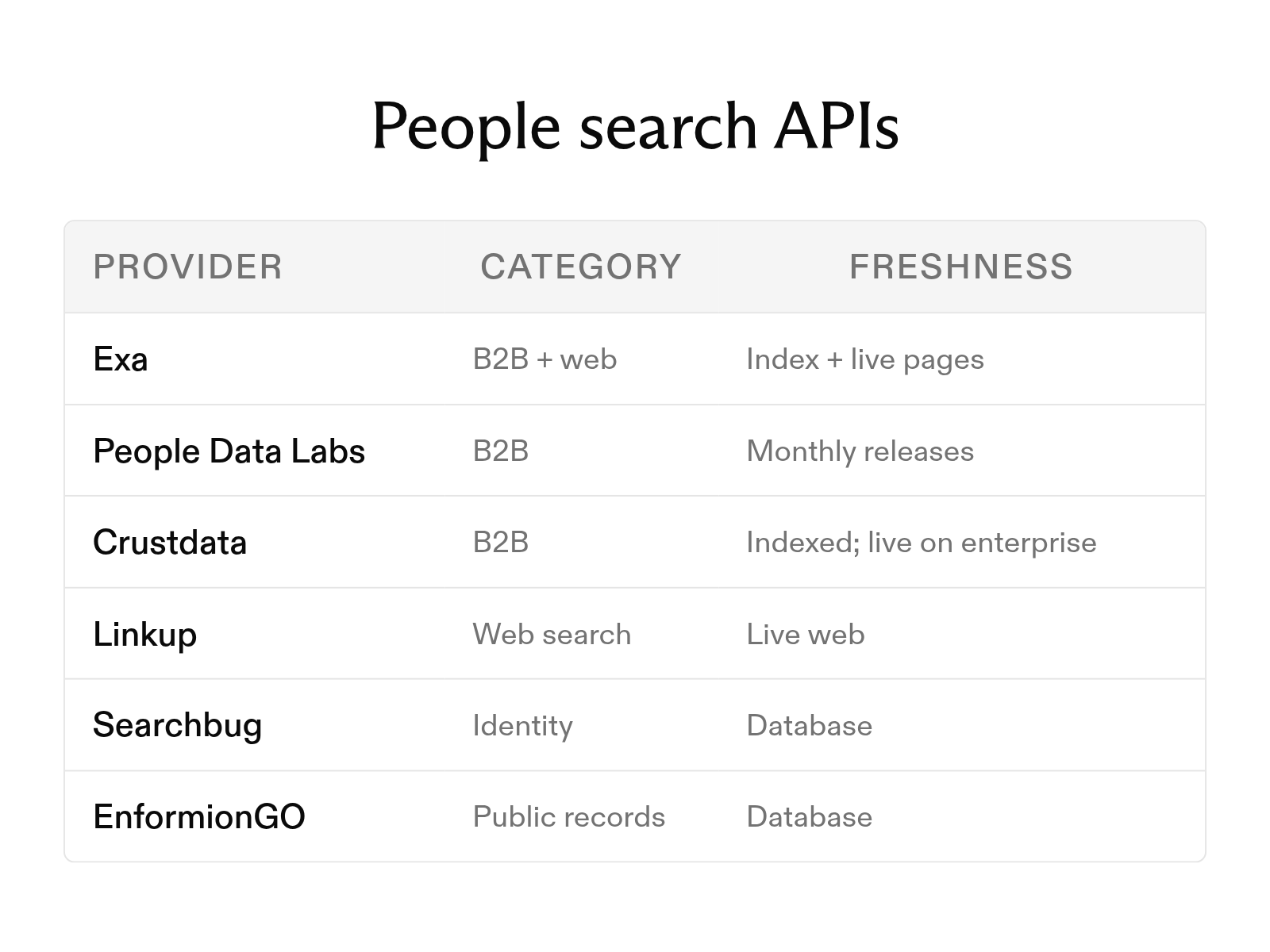
The 6 best people search APIs in 2026
October 6, 2026
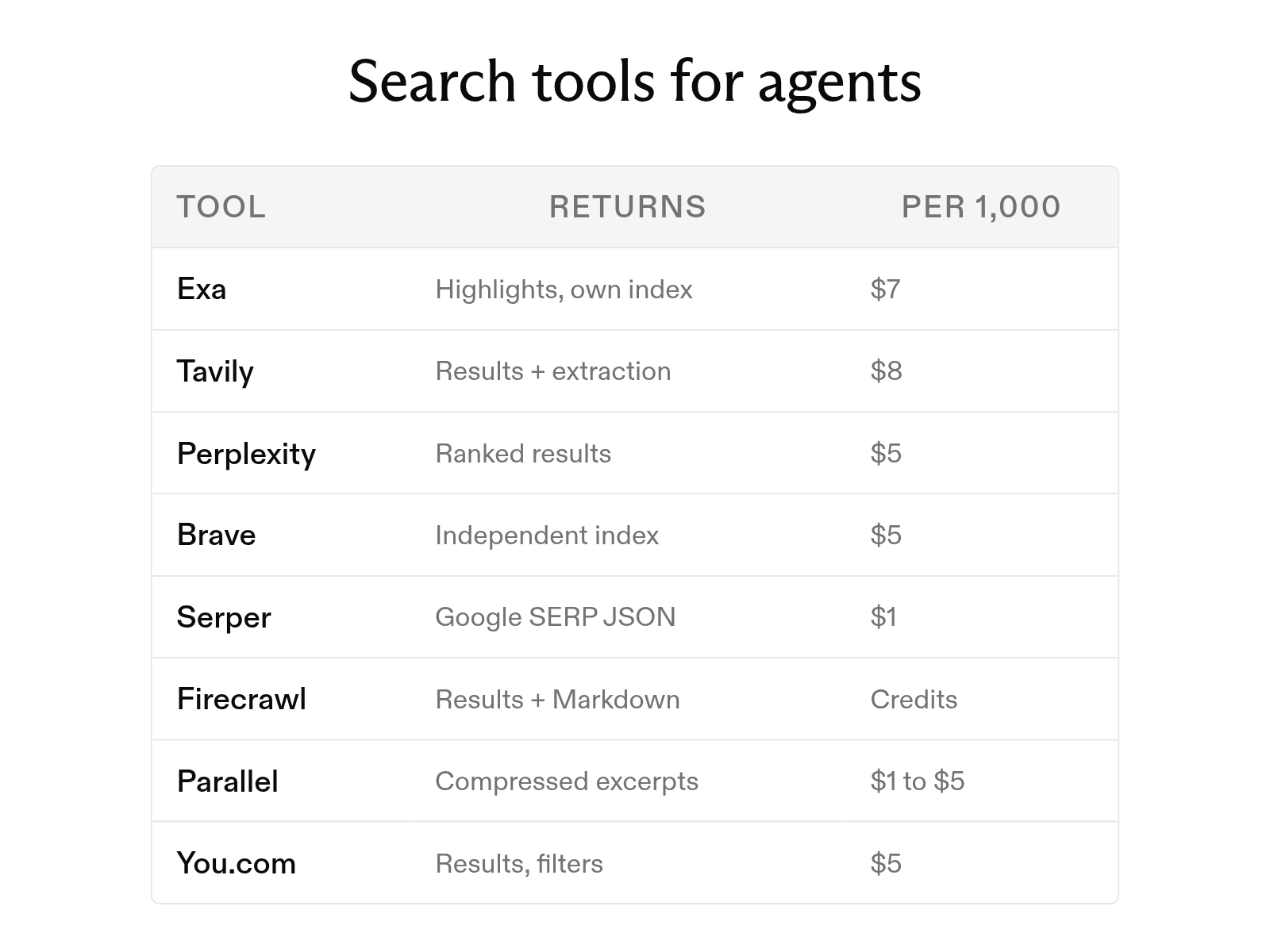
The 8 best web search tools for AI agents in 2026
October 6, 2026
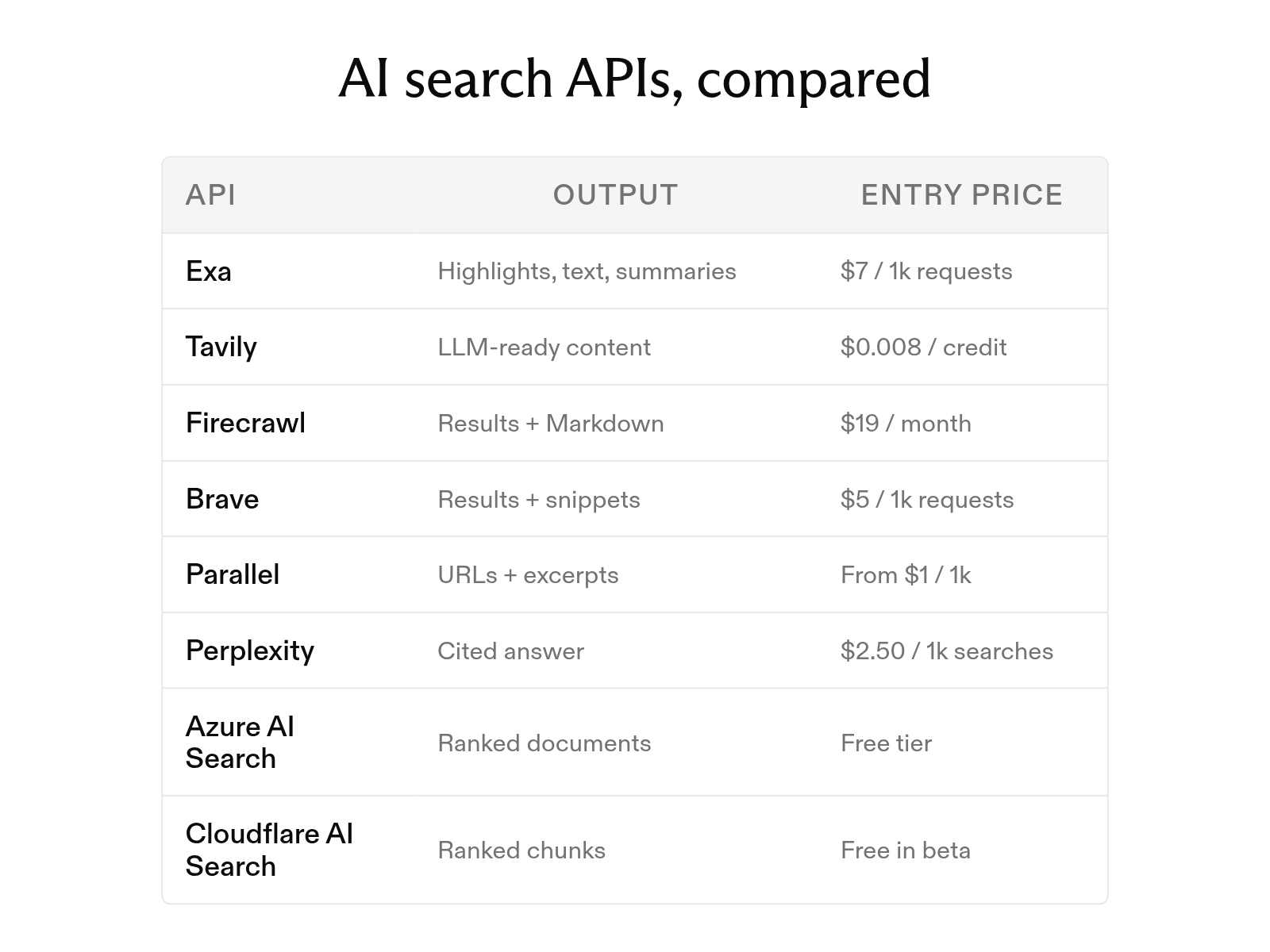
The 8 best AI search APIs in 2026
October 1, 2026
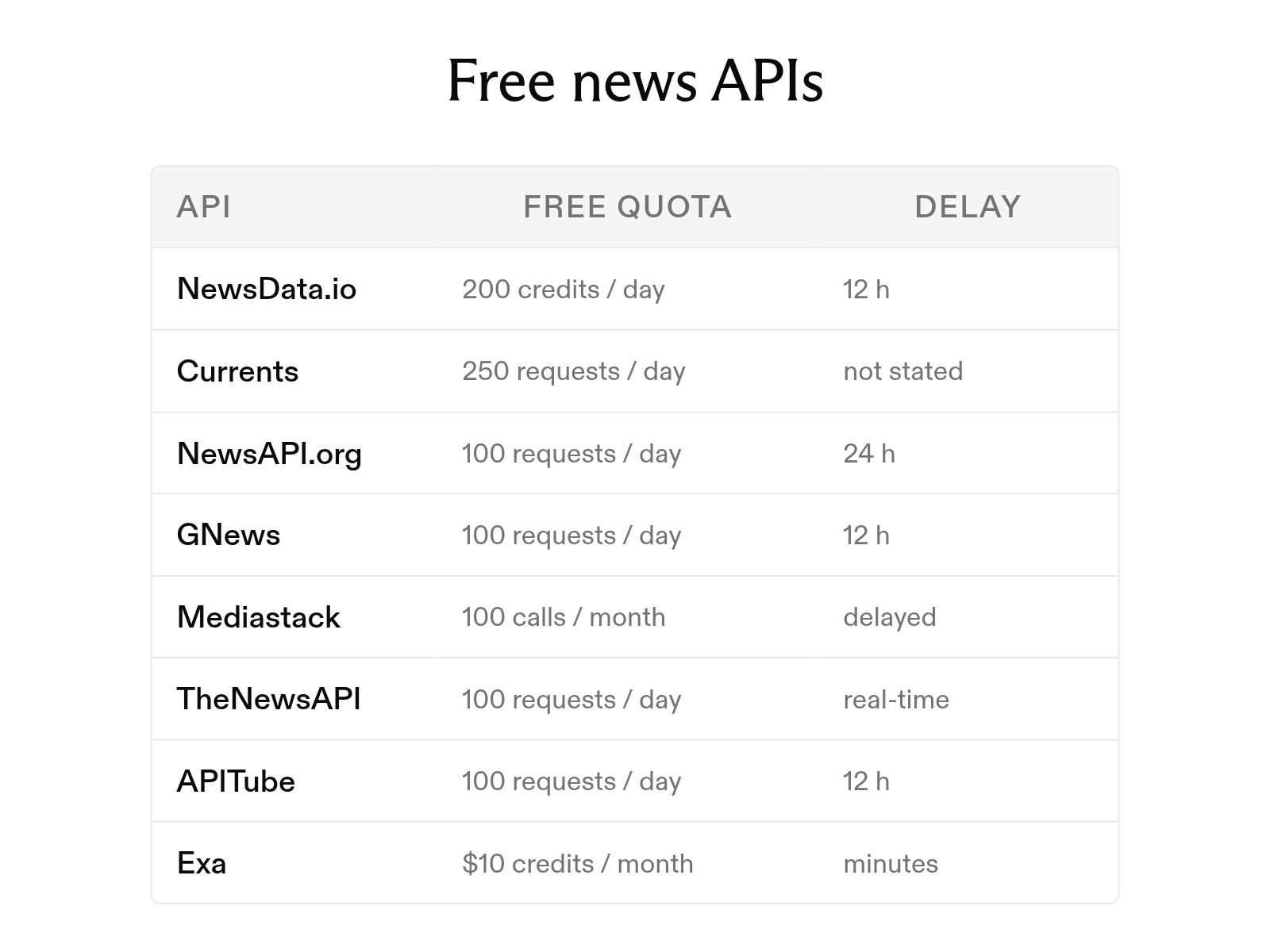
The 8 best free news APIs in 2026
October 1, 2026