Introducing Monitors v2

Exa Monitors is web search on a schedule: you describe what to watch, and Exa delivers only what’s new to your agent, at the cadence you choose.
Most people have set up a Google Alert. Maybe for a competitor, a product you want to buy, a famous person you follow, or even for yourself. Google Alerts was built for your inbox. Results show up by email, generally once a day, or to an RSS feed, as a digest of titles, snippets and links. But there’s no API or webhook for agents or automation to act on. Where Google sent you an email, Exa Monitors directly calls your agent.
Watching the web for news is exactly the kind of job agents should be taking over. But today, most agents handle it like a cron job, running a search every few hours. Most of those searches don’t surface anything new, but the agent pays every time, both for the search itself, and for the token cost of sifting anything new out of the results. Most commercial agents limit users to between 3 and 15 scheduled tasks.
Exa Monitors covers our entire index, including 211M businesses, 3.2M podcast episodes, 1.27B product listings and 130B+ web pages, and only calls your agent when something actually changes. Every run remembers what it’s already seen, and what it’s passed on. A new page is only sent if it’s relevant, comes from a legitimate source and adds something new. A new article about an old story with no new detail doesn’t get through. The results are pushed to a webhook so your agent never has to poll.
With v2, we’re also making monitors over 7x cheaper, dropping the price to $2 per 1k runs, down from $15. If you already use monitors, your implementation doesn’t change.
How it works
Each run has three stages:
- Retrieve: A fast search across the full Exa index, which is always fresh, with a time window matched to the monitor’s cadence.
- Judge: Pages this monitor has already seen are dropped. Every remaining page must pass four checks: relevance, source legitimacy, new information, and event timing.
- Compose: Pages that pass are turned either into a short summary, or JSON that matches your outputSchema, with sources and a confidence level for each field.
When we ran v1 and v2 side by side on real production monitors, every update v2 delivered was relevant, and the monitors got noticeably quieter.
What your agent can watch
Products, prices, and stock: For example, “ASICS men’s woven sneakers: sale or price drop,” or “cheap flights from SF to Maui.” Your agent hears about it when the price moves or the item comes back in stock, not every time a listing page updates.
News and topics: Follow a story without rereading the same coverage.
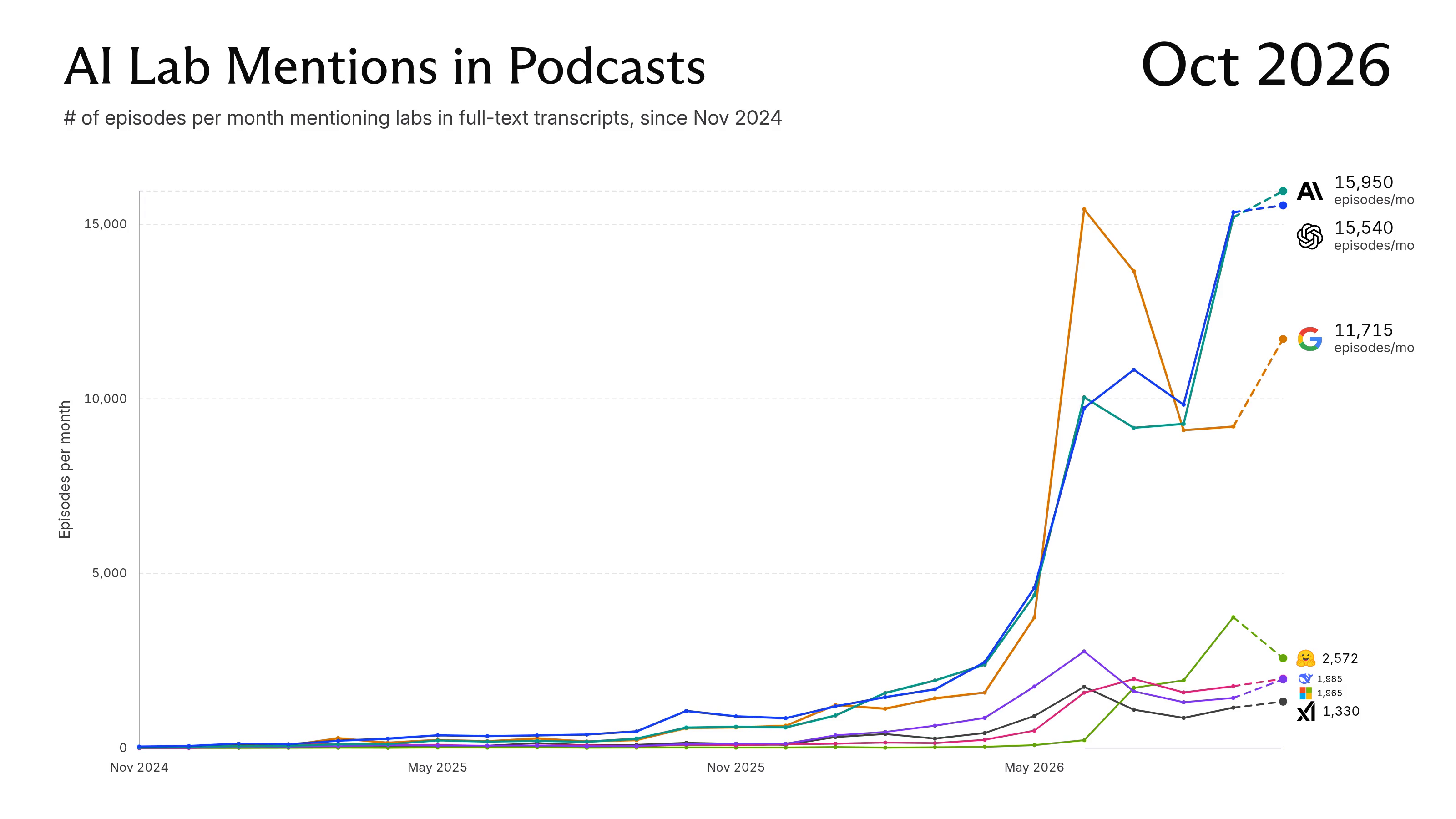
Competitors: Track product launches, pricing changes, and every time a competitor is mentioned. That includes mentions buried in sources alerts usually miss: Exa’s index holds more than 3 million full podcast transcripts, so an update can point to the moment a competitor came up 34 minutes into an episode, even if no article or tweet ever covered it.
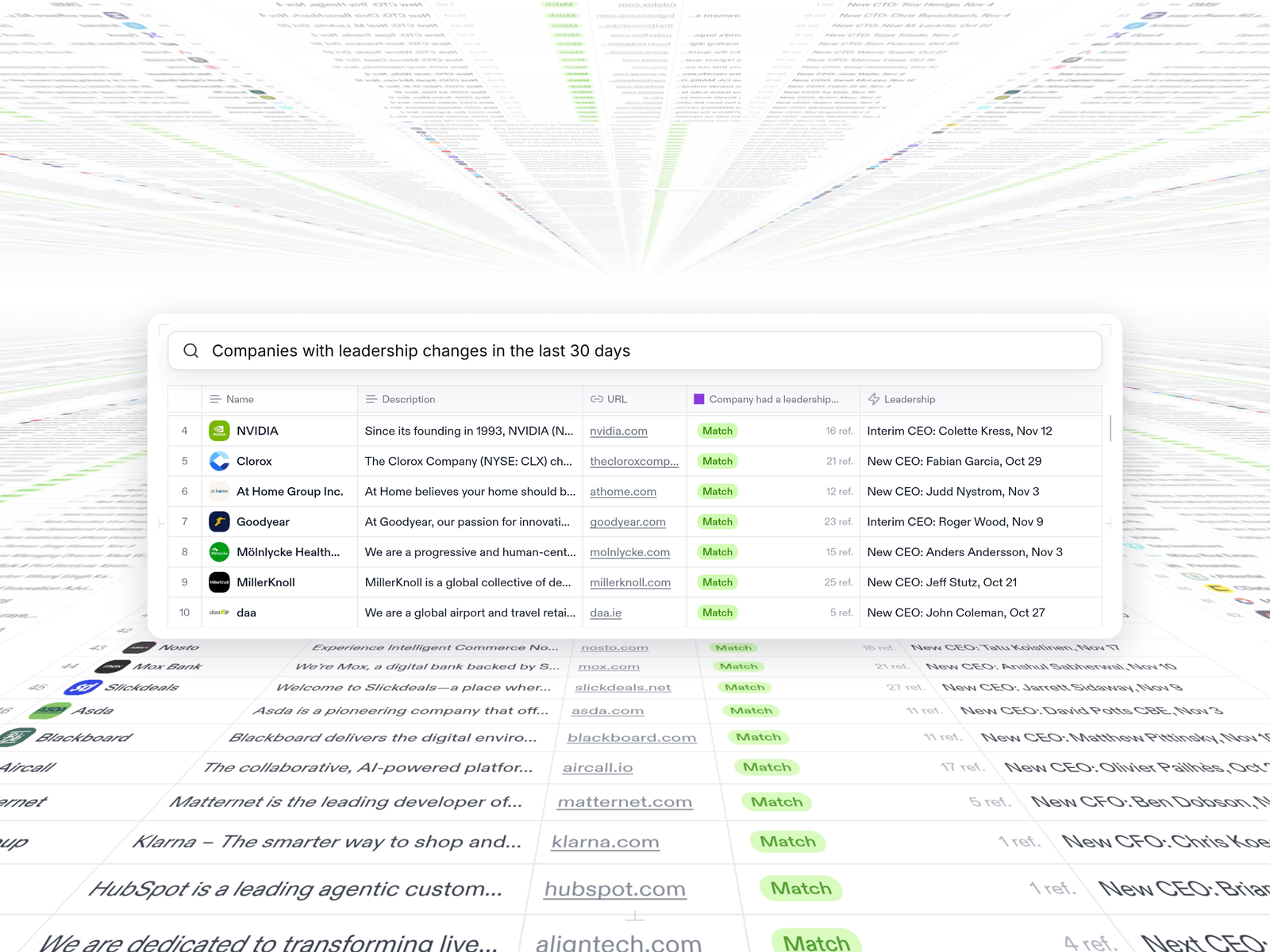
People: Know when an executive changes jobs, or when a group of engineers moves from one company to another.
What teams are building with Monitors
Settling prediction markets: Prediction markets collect evidence for questions like “How many US colleges will announce formal closure by Dec 31, 2027?”, with citations included in every update.
Portfolio intelligence: Investment firms track partnership announcements across all of their portfolio companies.
Sales triggers: Sales platforms pick up account signals while they’re still news, to create relevant outreach communications that are ready to go out at the right moment.
Adverse media: Risk and compliance teams screen counterparties for negative news, lawsuits, regulatory issues, fraud, or scandals, to automatically update risk scores, notify account managers, and update onboarding plans.
Get started
from exa_py import Exa

exa = Exa()

exa.monitors.create({
    "name": "Competitor mentions",
    "search": {"query": "Acme Corp product launches, pricing changes, or podcast mentions"},
    "trigger": {"type": "interval", "period": "1d"},
    "webhook": {"url": "https://example.com/webhooks/exa", "events": ["monitor.run.completed"]},
})
Each completed run sends the new pages, a summary or structured output, and citations to your webhook. Add metadata to route each update back to the right user or workspace, which is useful when one agent runs monitors for many people.
Read the Monitors quickstart or get an API key to start.