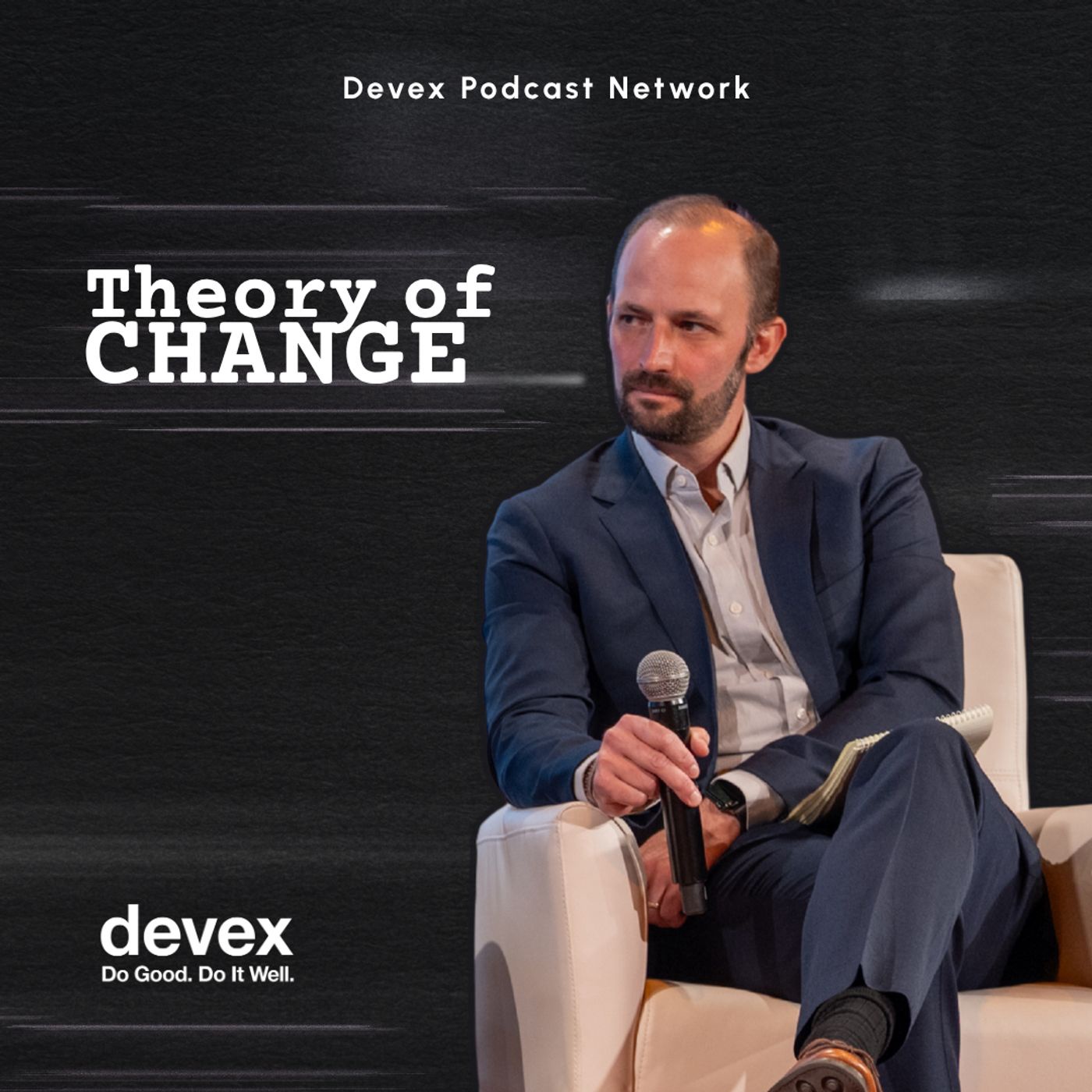
Who’s talking
2 speakersTranscript
73 turns · 1 hr 6 min[gentle music] There's a big debate about US foreign aid that never really happened. When Elon Musk and the Department of Government Efficiency descended on the US Agency for International Development last year, and really just over the course of a few weeks, set about dismantling a six-decade-old institution, there wasn't a whole lot of policy analysis or deliberation behind the actions they took. They tore USAID apart on the basis of a chaotic mix of viral misinformation, personal grievances, misconstrued questions about the agency's effectiveness, maybe a desire to send a message to the rest of the federal government. It all happened really quickly and without a whole lot of substantive discussion. There's a way to think about DOGE as a massive missed opportunity. How does global development serve America's national interests? What is the best way to deliver programs? What works? What doesn't? DOGE didn't really answer those questions or, or even ask them. We're seeing a lot more of that debate now. There are a lot of efforts underway to rethink development in the wake of USAID's destruction and cutbacks by other donors around the world, but those rethinks have a lot of catching up to do. Gayle Smith has led and observed America's global development programs from a lot of different vantag- vantage points. She was a senior director on the National Security Council, and then led USAID during the Obama administration. Under President Biden, she coordinated the global COVID-19 response out of the State Department, then she went on to lead the ONE Campaign, the advocacy group started by Bono. She understands how foreign aid and development fit together with the broader US foreign policymaking system, or at least how it used to, and maybe how it might. Here's Gayle Smith. [gentle music] Gayle Smith, welcome to the podcast.
Thanks for having me.
So for the entire time that I've known you, you have been working in government or advocacy, um, but you had a long career before any of that in journalism, and I thought maybe we could start there. I'm curious how you got into journalism in the first place, uh, what the experience was like for you being, I think, a foreign correspondent, right? And then, um, what did you take, what did you take away from that profession and that, um, way of engaging with the world when you transitioned into, um, first into government? And, and my understanding is you did so a little bit reluctantly.
Well, I was taken by surprise. Um, okay, so you're taking me way back in the way back machine. Um, I got into journalism a little bit by accident, but a little bit, I think, out of my nature. I, uh, [clears throat] traveled after I graduated from college. I was in East Africa, um, and I was in Sudan living in Khartoum, and there was a huge outflow of refugees from Ethiopia into Sudan. And you know, we would all listen... This was in the really olden days, right? So we would all listen to the BBC every night and listen to Focus on Africa. Um, there was not internet then, but there was no coverage anywhere on the radio or in print of this huge refugee flow, and it was stunning. It was thousands of people pouring over the border.
Episode notes
U.S. foreign aid is undergoing one of the most tumultuous transformations in its history.
The Department of Government Efficiency’s dismantling of USAID and transfer of its remaining programs to the State Department upended the U.S. global development industry. But it’s much more than a question of organizational charts and institutional responsibilities.
At stake are fundamental questions about America’s national interests, how the well-being of people in other countries should influence economic and trade policy, and the nature of public support for a long-term vision of development investment.
Gayle Smith has faced those questions from a variety of vantage points — senior director for development and democracy on the White House National Security Council, USAID administrator, CEO of the ONE Campaign.
In this episode of Theory of Change, she shares a candid assessment of where the fight for U.S. leadership in global development should go from here — and who should lead the charge.