Who’s talking
2 speakersTranscript
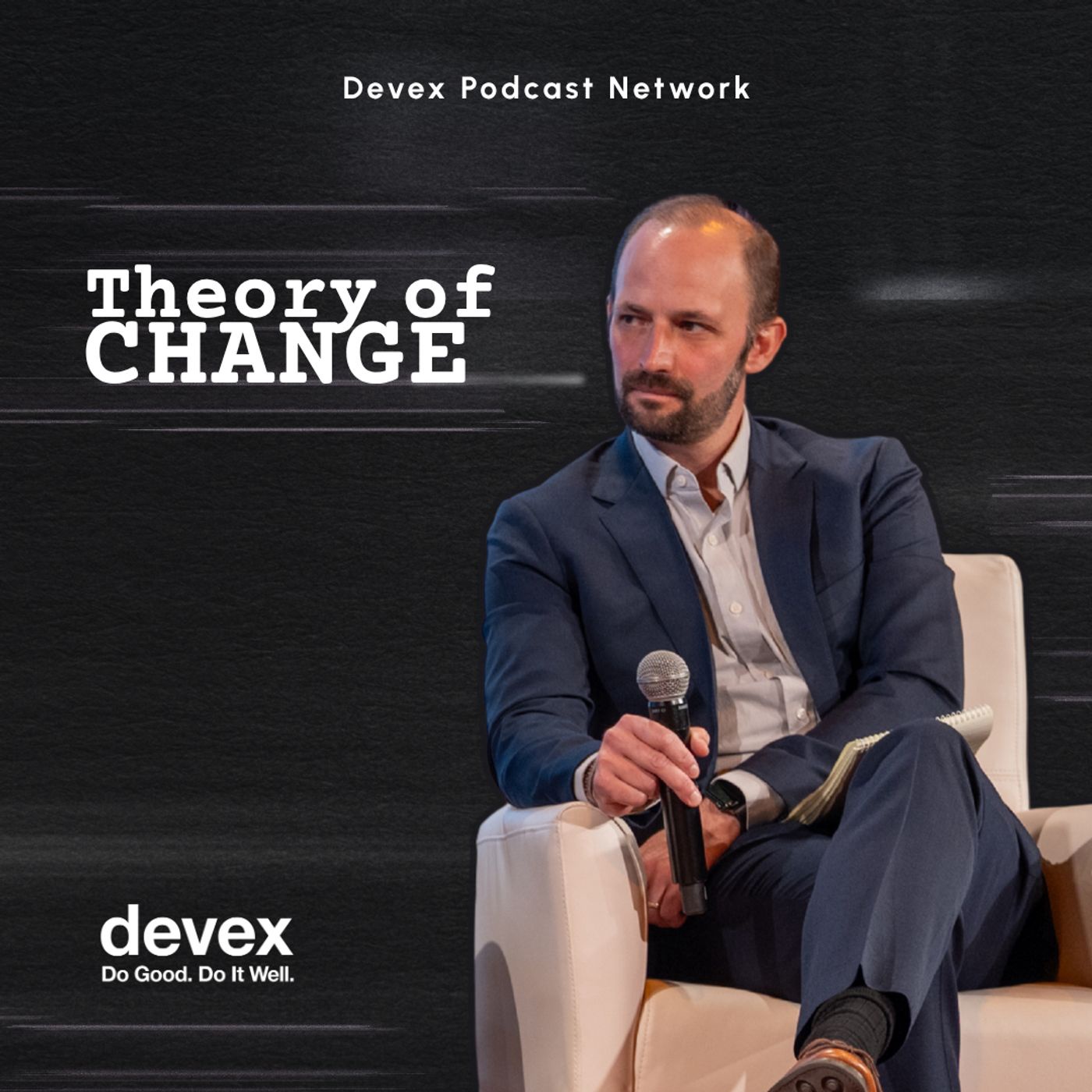
70 turns · 56 minThis is the Theory of Change podcast coming to you live today from the UN General Assembly. My name is Michael Aigo. I'm a senior reporter with DevEx. This is a podcast where I get to have in-depth conversations with leaders in global development. And I've got... One of those today, I'm so excited to have the opportunity to talk with David Beasley, who needs no introduction, former governor of South Carolina, former executive director of the World Food Program, And someone who has a lot to share with us about how to make these issues resonate and real in the complicated political environment that we find ourselves in today. David, thanks so much for being here. It's great to be here. It
really is. Thank you all for what you're doing. The message. is needed now more
than ever. All right. Well, let's dive in. Just a quick note about sort of the general format here. David and I are going to talk for a while. We've got an opportunity to go into some depth about his career, his insights, unique experiences in some of the most complicated settings around the world. I'm also going to open it up for questions, maybe 30 minutes in or so. So if there are things that you want to know about what it's like to lead the world's preeminent food security
program,
this is your opportunity. And so I think we have some mics floating around and we'll make sure that those are available. I wanted to start, David, by just getting a little bit better of a sense of where you're coming from. I wonder if you could tell me about your family farm.
The family farm, it's a mystery to a great degree because people hear about the family farm because we've done piecework there from bringing leaders from all over the world there, and we do it quietly because we're not... doing any fanfare, but as to history, um, I grew up like a lot of, a lot of kids, you know, working in the tobacco field or on the cottonville or whatever it might be. And then you play in ball and, and, uh, but now we still have the family farm, but we really don't farm anymore.
We
lease out a lot of our land, but we use our farm when we say farm because we've got like four separate sleeping quarters, water. We do. We got hiking trails and canoeing and kayaking and all that on our place where we bring friends from around the world to resolve differences and resolve conflict. And so we use what we call the farm. Uh, and in that capacity and, and it's a wonderful place. The nearest house to my house is literally two miles away. This is society hill. Is that the name of the hill? It is near society hill. Okay. And my family. Just outside of society hill. Just outside of society hill. So we've lived in that area for literally about 300 years. and a lot of history there and a lot of farming in that area so i grew up understanding the the relevance and the power of food and then i've had some stories in my life dating back to the civil rights movement back in the 60s where food was a very big part of reconciliation with people i want to hear more about that
um so you were as a child you were responsible for growing and planting and working on the farm
well not voluntarily you know Your dad are pressed into service. You got
Episode notes
In a live episode of the Theory of Change podcast recorded at the Devex Impact House in New York on the sidelines of the United Nations General Assembly, David Beasley, the former World Food Programme executive director and former governor of South Carolina, laid out his playbook for navigating today’s increasingly hostile political climate — while leaving the door at least somewhat open for his own return to the political arena.
Beasley — who led the U.N.’s food security agency when it won the Nobel Peace Prize — shared his journey from working in South Carolina tobacco fields to negotiating with the Taliban to feed starving children to battling with billionaire Elon Musk on Twitter.
He described the culture shock of a United Nations outsider confronted with bureaucracy and jargon, and offered his diagnosis for why the development sector keeps getting its pitch wrong.
Beasley offered a bleak assessment of current humanitarian aid cuts, calling the domestic political environment “horrific” and warning that Western nations are actively undermining their own geopolitical stability.
**“America is great because America is good, and if we ever cease