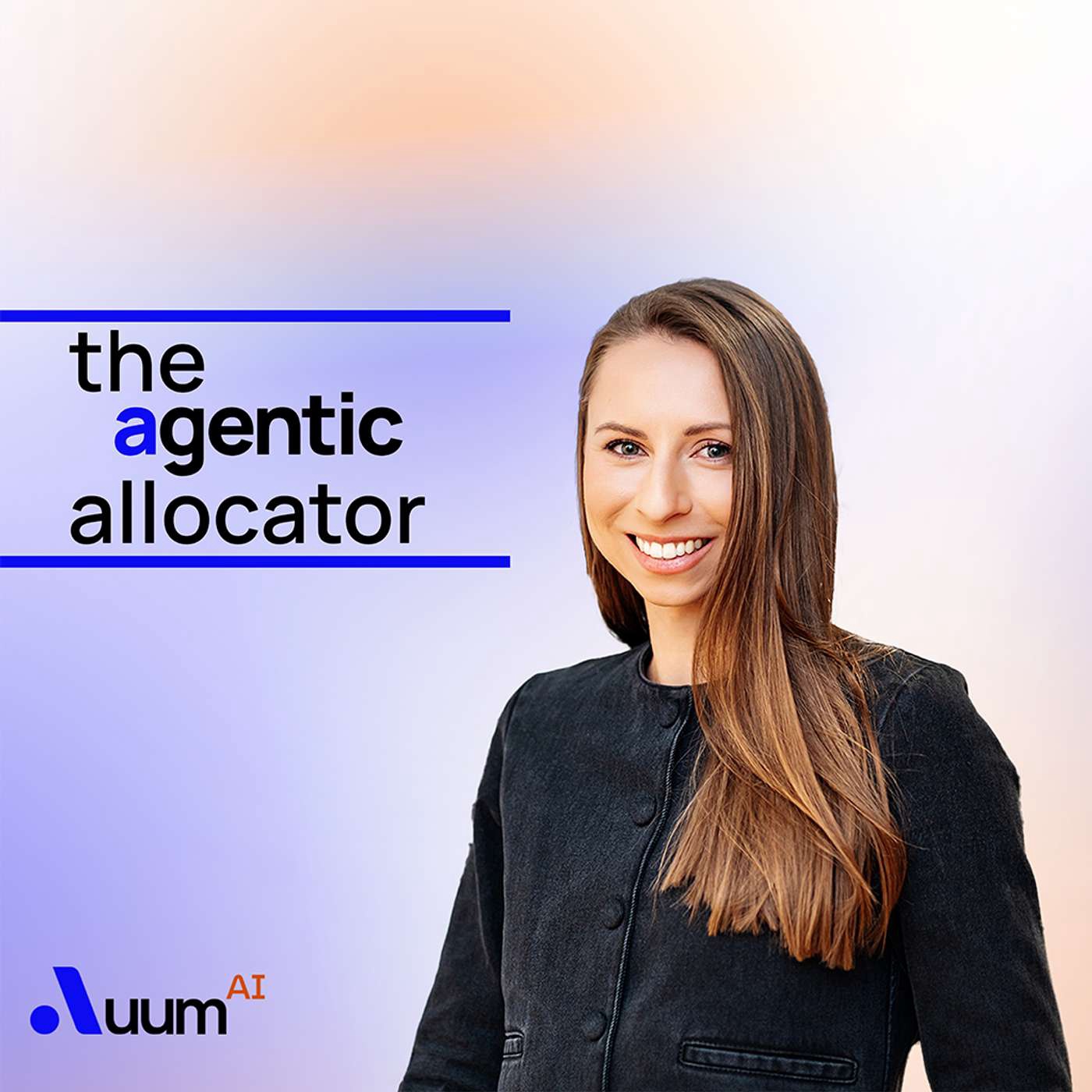
Who’s talking
2 speakersTranscript
25 turns · 18 minWelcome to the Agentic Allocator. Today we're joined by Anmol Goyal, CEO of GAC's family office. An over $1 billion family office based in London and India, primarily investing in venture, private equity and private credit.
AI models are getting better and better and they'll continue to. But I think the knowledge of know-how is still super important. That's again one of the worries which I feel like a lot of the younger generation is kind of not having.
Anmol built GACS and at 25, he's part of a new generation of family office leaders who operate in public, speaking at conferences and building a personal profile in a community that has historically focused on discretion.
Attention became currency. So I realized if I really know something and I can help educate someone or support someone, they'll be more than willing to create a video with me or I can talk about that. And then the ripple effect of social media really, really helped grow.
Today, we're getting into how AI is changing capital allocation for family offices and their portfolio companies and what happens to a traditionally private ecosystem when a new generation of principals decide to build in public instead.
Qualitative analysis, I feel like now is more important than ever. My analysis all of a sudden has gone from this super heavy tech and financial and market analysis to people analysis. How hungry is this person? How driven is this person? What is the why of this person? That's what AI can't pick up and I don't think it will be able to.
I hope you enjoy the conversation. Anil, thank you so much for taking the time to meet with me today.
Thank you very much for having me, Victoria. Such a pleasure to be here with you today.
Before we dive into our topic of discussion today, which is AI, I'd love to learn a little bit more about you. And specifically, the GACS family office is quite unique. You're building what I would say in the open quite publicly, which is in many cases, I would say quite different than historically how family offices have operated in the sense of being a little bit more under the radar. And so I wanted to ask you, how did you get your family on board to post on Instagram and on LinkedIn and speak publicly about what you do?
When I started building my own sort of stuff, the family was very clear that, hey, you go do it yourself. We're not going to give you funding for it, right? Which I think is the right way anytime you're getting someone new into the business. I think oftentimes where families go wrong is they'll say, yeah, the family money is behind you. And that ability to take risk or that ability to creatively think or differentiate themselves kind of dissipates. So my thing was like, okay, well, I gotta figure it out now and do whatever it takes, right? And as a very young founder, I built my first company when I was 17. You have no knowledge, you have no experience, you have no network per se, right? I mean, you might know a few people. And in the world, which, you know, this was 2017 that we were coming into, attention became currency. So I realized if I really know something and I can help educate someone or support someone, they'll be more than willing to
Episode notes
Anmol Goel, CEO and Managing Partner of GACS Family Office, joins The Agentic Allocator for a practical conversation about AI adoption inside a family office. GACS invests over $1 billion across venture, private equity and private credit from London and India, and Anmol runs it in public, speaking at conferences and building a personal profile in a historically discrete community.
Anmol walks through how GACS is using AI within the investment office: a tech due diligence tool trained on the firm’s own past investment memos that has taken analysis from two months down to 2-3 weeks, an internal database that cross compares deals and surfaces unique portfolio connections, and a personal knowledge base built from roughly 10,000 contacts, past conversations and notes that he queries whenever a founder needs an introduction.
He is equally direct about the challenges and what has gone wrong. Team members have put sensitive documents into public tools. Work has gone out without being checked. He is clear that they are still working through where the AI privacy line sits, and that the answer will be different for every family. For an industry where most AI conversations only cover the wins, it is an important reality check.
What You'll Learn:
- How he got his family comfortable with a public profile in a historically private industry
- How GACS built a tech due diligence tool